





how to disable backup alarm
 Jun 17, 2025|
 View:5245
The backup alarm, a critical safety feature in vehicles and heavy machinery, emits a loud, repetitive sound to alert pedestrians and workers when the equipment is reversing. While essential for preventing accidents, there are situations where disabling the backup alarm may be necessary, such as during nighttime operations in residential areas, testing procedures, or when the alarm malfunctions. However, it’s important to note that tampering with safety features may violate regulations or warranty terms, so proceed with caution and always consult local laws or equipment manuals first. This article provides a general guide on how to disable a backup alarm, but emphasizes the importance of prioritizing safety and compliance.
Understanding Backup Alarms
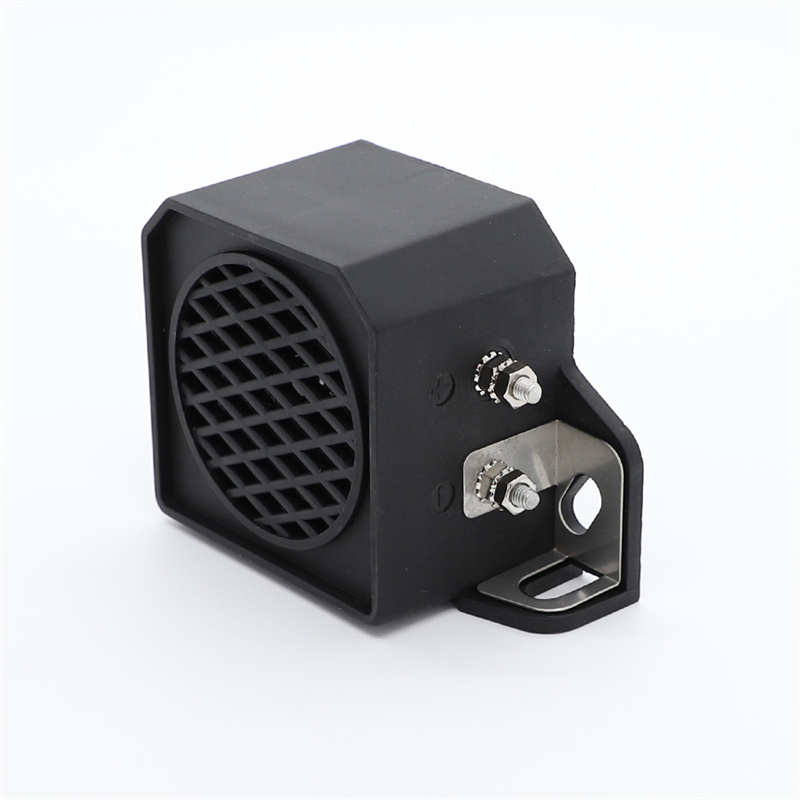
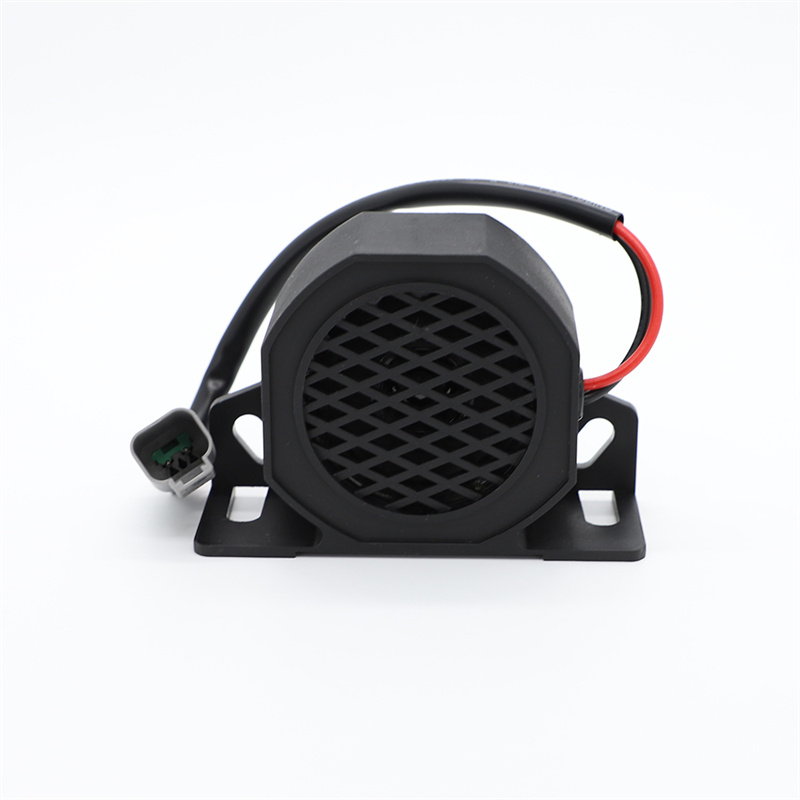
Before attempting to disable a backup alarm, it’s crucial to understand its function and components. Most backup alarms are wired into a vehicle’s electrical system and activated when the transmission is shifted into reverse. They typically consist of a speaker, a control module, and wiring that connects to the gear selector or reverse light circuit. Disabling the alarm usually involves interrupting this connection or deactivating the control module.
Methods to Disable Backup Alarm
1.Check the Vehicle/Equipment Manual
The first step is to review the owner’s manual or service guide for your specific vehicle or machinery. Manufacturers often include instructions for temporarily disabling safety features like backup alarms for maintenance purposes. Some models may have a built-in switch or a fuse that can be removed to deactivate the alarm.
2.Locate the Backup Alarm Control Module
The control module is usually mounted near the rear of the vehicle or in the engine compartment. It may be a small box with wires connected to the speaker and the vehicle’s electrical system. Disconnecting the module’s power source (e.g., unplugging a harness or removing a fuse) can disable the alarm. However, this method may trigger error codes or affect other systems, so proceed with caution.

3.Disconnect the Speaker Wiring
If the control module is inaccessible, you can manually disconnect the speaker wires. Locate the speaker (usually mounted on the rear bumper or frame) and carefully trace the wires back to their connection point. Use a wiring diagram if available to avoid damaging other components. Disconnecting the speaker will silence the alarm but may not prevent the system from attempting to activate it.
4.Use a Toggle Switch (Temporary Solution)
For a reversible solution, install a toggle switch in series with the backup alarm’s power supply. This allows you to manually turn the alarm on or off as needed. However, this modification may void warranties and is not recommended for long-term use.
5.Adjust or Replace the Alarm
If the alarm is malfunctioning (e.g., sounding continuously), consider replacing it with a programmable model that allows volume adjustments or silent operation in specific modes. Some advanced alarms can be disabled via Bluetooth or a mobile app, though these features vary by manufacturer.
Legal and Safety Considerations
Disabling a backup alarm without proper authorization can lead to legal consequences, especially in commercial or industrial settings. Many regions require backup alarms to meet OSHA or ANSI standards, and tampering with them may result in fines or liability in case of an accident. Always prioritize alternative solutions, such as using warning signs, spotters, or scheduling operations during low-traffic hours, before disabling the alarm.
Conclusion
Disabling a backup alarm should only be done as a last resort and with full awareness of the risks involved. While methods like disconnecting wiring, removing fuses, or using toggle switches may temporarily silence the alarm, they can compromise safety and violate regulations. Always consult the equipment manual, local laws, and a professional technician before making modifications. Ultimately, the backup alarm exists to protect lives, and any decision to disable it should be weighed against the potential consequences. Prioritize safety, compliance, and alternative measures to ensure a secure working environment.
By following this guide responsibly, you can navigate the process of disabling a backup alarm while minimizing risks and maintaining adherence to safety standards.






View More(Total0)Comment lists