





How to turn off back up alarm
 Sep 29, 2025|
 View:1238
In modern industrial and commercial environments, back up alarms—also known as reverse beepers—are critical safety devices designed to alert nearby individuals when vehicles or heavy machinery are operating in reverse. Commonly found on forklifts, trucks, construction equipment, and even some consumer vehicles, these alarms emit a loud, repetitive sound to prevent collisions and injuries. However, there are scenarios where turning off the back up alarm becomes necessary, such as during quiet-hour operations in residential areas, maintenance work, or when the alarm malfunctions. While disabling this feature should always be approached with caution, understanding the proper methods and safety considerations is essential. This article provides a step-by-step guide to turning off back up alarms, along with critical precautions to ensure compliance with safety standards.
Methods to Turn Off Back Up Alarm
The process of deactivating a back up alarm varies depending on the vehicle or equipment type, manufacturer, and model year. Below are common approaches:
1.Vehicle-Specific Controls
Many modern vehicles and machinery allow users to disable the back up alarm through built-in settings. For example:
Forklifts and Industrial Equipment: Check the operator’s manual for a dedicated switch or button labeled “Back Up Alarm” or “Reverse Beep.” Some models require navigating a digital dashboard menu to toggle the feature off.
Consumer Vehicles: Certain cars and trucks equipped with aftermarket back up alarms may have a fuse or relay in the engine compartment labeled “Reverse Alarm.” Removing or disconnecting this fuse can silence the alarm, though this may also affect other systems.
2.Electrical System Adjustments
For equipment without manual overrides, accessing the electrical system may be necessary:
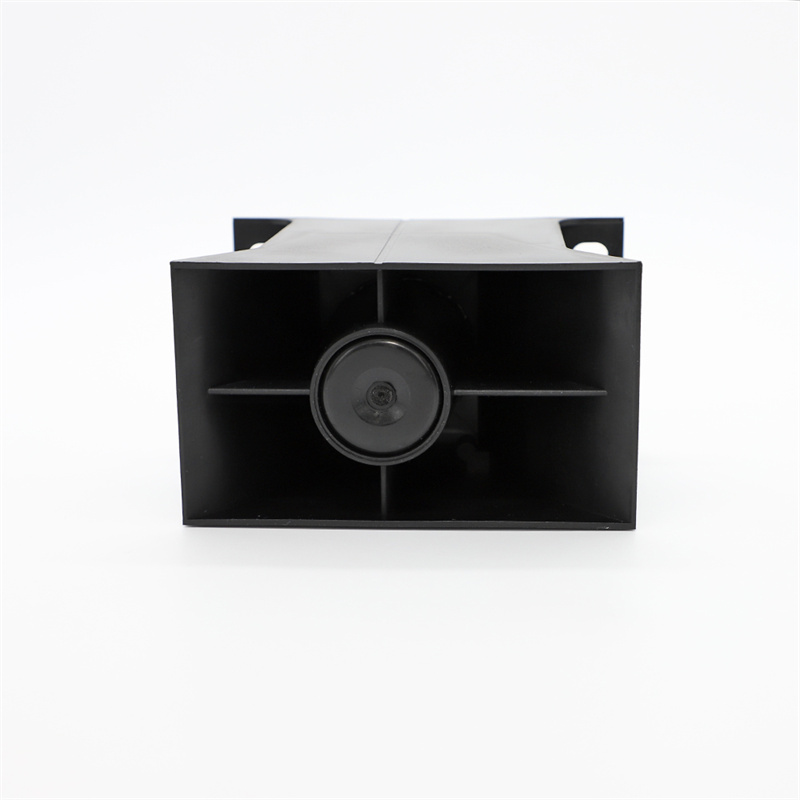
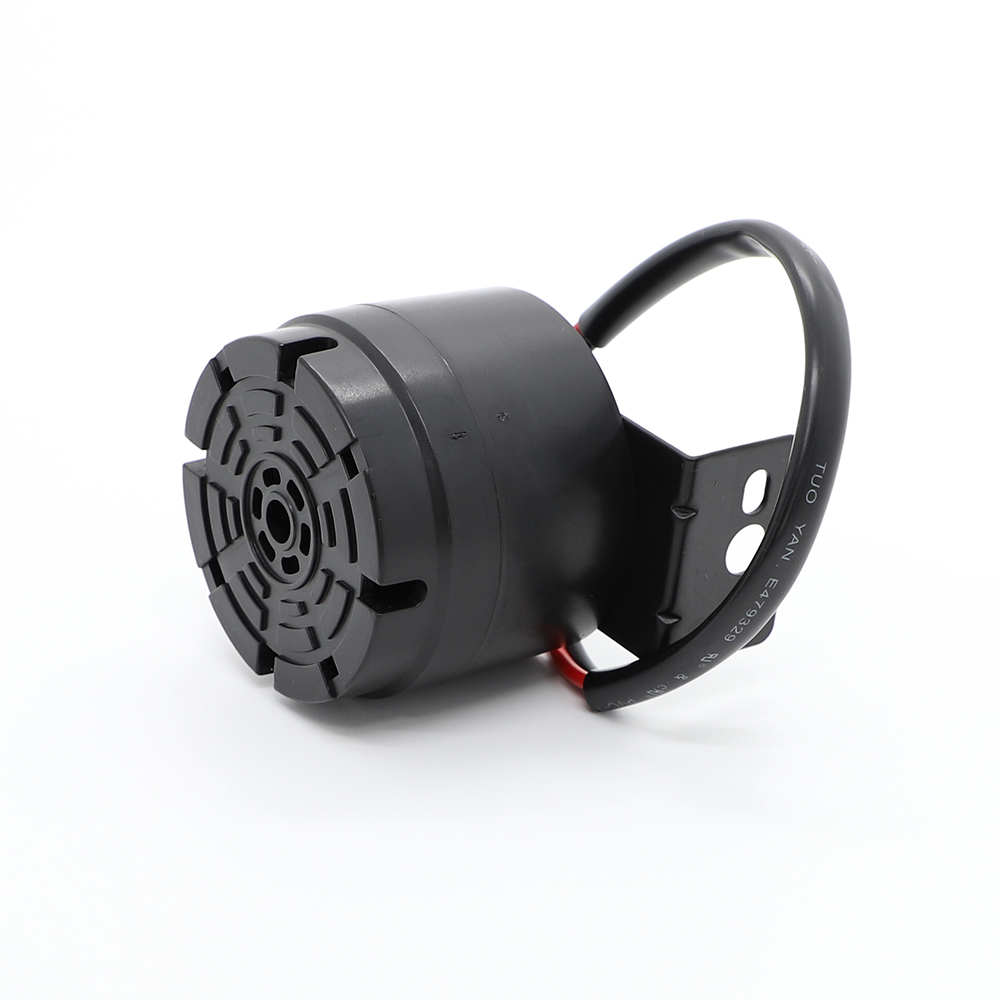
Locate the Alarm Module: The back up alarm is typically connected to the vehicle’s reverse light circuit. Trace the wiring from the rear lights to find the alarm unit, often mounted near the bumper or under the chassis.
Disconnect the Power Source: Carefully unplug the alarm’s wiring harness or disconnect the battery terminal to cut power. Label wires before disconnecting to simplify reassembly.
Bypass the Sensor: Some alarms activate via a pressure or motion sensor. Temporarily disabling the sensor (e.g., covering it with tape) may stop the alarm, though this is not recommended for long-term use.

3.Aftermarket Alarm Systems
If the back up alarm was added post-purchase, it may have a separate control unit. Look for a remote control or key fob that toggles the alarm on/off. Alternatively, consult the installation manual to identify a master switch.
4.Professional Assistance
For complex systems or when unsure, consult a certified mechanic or technician. They can safely disable the alarm without compromising other vehicle functions.
Critical Precautions When Turning Off Back Up Alarm
Disabling a back up alarm carries inherent risks, as it removes a key safety layer. Follow these guidelines to mitigate hazards:
Legal Compliance: Many regions require back up alarms on commercial vehicles. Turning them off permanently may violate workplace safety regulations (e.g., OSHA standards in the U.S.). Verify local laws before proceeding.
Temporary Disabling Only: If possible, limit deactivation to short-term needs, such as nighttime operations. Re-enable the alarm immediately afterward.
Alternative Safety Measures: Use spotters, reflective tape, or LED lights to enhance visibility when the alarm is off. Ensure operators exercise extra caution while reversing.
Document Changes: In workplace settings, log any modifications to equipment, including the reason for disabling the alarm and the duration. This protects against liability issues.
Avoid Tampering with Core Systems: Never disconnect critical components like airbags or braking systems while attempting to silence the back up alarm.
Conclusion
Turning off a back up alarm should never be a routine practice but rather a carefully considered solution for specific scenarios. While the methods outlined above—ranging from manual overrides to electrical adjustments—can effectively silence the alarm, they must be balanced against safety and legal obligations. The primary purpose of a back up alarm is to prevent accidents, and disabling it permanently undermines this goal. Always prioritize alternative safety protocols, such as enhanced visibility tools or supervised operations, when the alarm is inactive. By approaching this task responsibly, operators can maintain a safe environment while addressing the practical needs of their work. Remember: the back up alarm is a lifesaving feature—use its deactivation sparingly and wisely.






View More(Total0)Comment lists