


What is a fullrange speaker
 Oct 26, 2026|
 View:11
A Simple Introduction to Fullrange Speaker
A fullrange speaker is a type of audio transducer designed to reproduce the widest possible range of audible frequencies using a single integrated driver unit, rather than splitting frequency reproduction tasks across multiple separate drivers. Unlike traditional multi-driver speaker systems that rely on woofers, tweeters, and midrange units to handle different segments of the audio spectrum, a fullrange speaker combines all these functional roles into one carefully engineered component. This unique design philosophy has made the fullrange speaker a beloved choice among audio enthusiasts, home audio builders, professional sound technicians, and casual listeners who value simplicity, natural sound character, and a cohesive listening experience that many multi-driver systems struggle to achieve.
The core concept behind a fullrange speaker dates back to the early days of public address and home audio systems, when engineers first sought to create a single speaker unit that could eliminate the phase inconsistencies, crossover distortion, and frequency overlap issues that often come with multi-driver setups. Over decades of material science advancements, magnet design improvements, and cone structure innovation, the modern fullrange speaker has evolved from a basic, limited-range component into a highly sophisticated audio device that can deliver surprisingly balanced, detailed sound across nearly the entire 20Hz to 20kHz audible spectrum. Today, the fullrange speaker appears in countless applications, from compact desktop audio systems and portable Bluetooth speakers to high-end audiophile floor-standing builds, car audio modifications, and even specialized commercial sound installations where space efficiency and sound coherence are top priorities. What makes the fullrange speaker stand out in a crowded market of audio hardware is its unique ability to produce a soundstage that feels naturally unified, with no noticeable gaps or shifts in timbre as different instruments and voices move across the frequency range. For many listeners, the experience of hearing a well-calibrated fullrange speaker play a vocal recording or an acoustic jazz track feels far more immersive and lifelike than the sound produced by larger, more expensive multi-driver alternatives. This introduction will lay the foundation for exploring the core design principles, key performance characteristics, practical application scenarios, and unique advantages that make the fullrange speaker such a enduring and influential product in the global audio industry.
Core Design Principles of a Fullrange Speaker
Every high-performance fullrange speaker is built around a set of carefully optimized design choices that allow a single driver to handle the extreme demands of reproducing low, mid, and high frequencies without sacrificing clarity or power handling. The most critical component of any fullrange speaker is its cone assembly, which must be stiff enough to prevent unwanted flex and distortion when moving large volumes of air for low-frequency bass reproduction, while also being light enough to vibrate quickly and accurately for the delicate high-frequency details of vocals and treble instruments. Many modern fullrange speaker models use specially treated paper cones, composite fiber blends, or even lightweight aluminum and magnesium alloys to strike this perfect balance between rigidity and low moving mass.
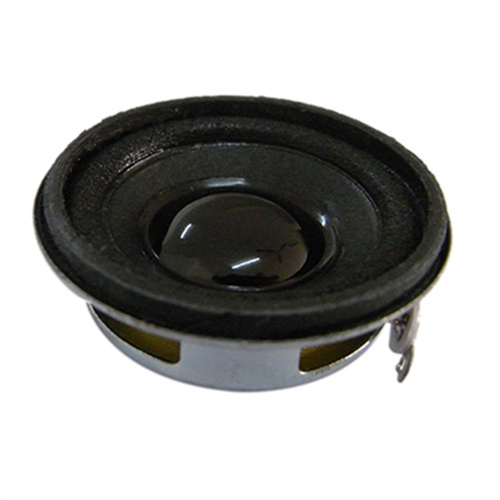
The surround structure of a fullrange speaker, which connects the outer edge of the cone to the speaker frame, is another key design element that directly impacts its full-range performance. A well-engineered fullrange speaker surround will allow for long, linear excursion at low frequencies, so the cone can move back and forth far enough to generate deep, rich bass, while also providing enough damping to prevent resonance that would muddy midrange clarity. Common surround materials for a quality fullrange speaker include treated cloth, high-roll foam, and specially formulated rubber compounds that maintain consistent performance even after thousands of hours of continuous use.
At the center of every fullrange speaker sits the voice coil and magnet assembly, which converts electrical audio signals from your amplifier into physical cone movement. Unlike the narrow, small voice coils found in dedicated midrange drivers, a fullrange speaker often uses a larger, overhung or underhung voice coil design that can handle higher power levels and maintain consistent magnetic field alignment across the full range of cone travel. Many premium fullrange speaker units also add a small, integrated whizzer cone attached to the main voice coil former, a secondary smaller cone that extends the high-frequency response far beyond what a single large cone could achieve on its own, eliminating the need for a separate tweeter entirely. The frame of a fullrange speaker is also designed for maximum rigidity, usually made from heavy cast aluminum or stamped steel, to prevent unwanted frame vibration that would color the sound and introduce distortion into the fullrange speaker's output.
Key Performance Characteristics of a Fullrange Speaker
The performance profile of a well-designed fullrange speaker is defined by several unique traits that set it apart from all other types of speaker drivers on the market. First and foremost, a high-quality fullrange speaker delivers exceptional phase coherence across the entire frequency range, because every sound you hear comes from a single point source. Unlike multi-driver systems where sound from the woofer and tweeter arrives at your ears at slightly different times, causing phase cancellation and smearing in the critical midrange band, a fullrange speaker ensures that every note from a male vocal, a piano chord, or a drum strike originates from exactly the same physical location. This is the reason that so many listeners describe the sound of a good fullrange speaker as "natural" and "effortless" — the human ear and brain do not have to process the conflicting arrival times that are common in multi-driver designs.
Another defining performance feature of a fullrange speaker is its complete absence of crossover distortion. In a typical multi-driver speaker system, a complex passive or active crossover network splits the incoming audio signal into separate frequency bands before sending them to the appropriate drivers. Even the most carefully engineered crossover components introduce small amounts of signal phase shift, frequency attenuation, and harmonic distortion that subtly alter the original audio recording. A fullrange speaker requires no external crossover at all, which means the entire electrical audio signal from your amplifier travels directly to the voice coil, with zero unnecessary components in the signal path. This direct signal path gives the fullrange speaker an unmatched level of transient response, so sudden, sharp sounds like a snare drum hit or a plucked guitar string sound far more immediate and realistic than they do on comparable multi-driver systems.
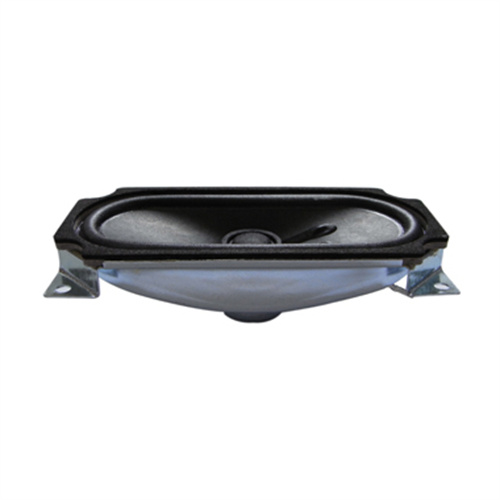
While early generations of fullrange speaker units were often criticized for having limited low-frequency extension and rolled-off high-end performance, modern fullrange speaker engineering has pushed these boundaries dramatically. Many current production fullrange speaker models can deliver usable bass response down to 60Hz or lower when paired with a properly tuned enclosure, while also extending clean, detailed treble response up to 18kHz or even 20kHz, covering nearly the full range of human hearing. The midrange performance of a top-tier fullrange speaker is almost universally regarded as its strongest point, with a level of vocal clarity and timbre accuracy that even far more expensive multi-driver systems struggle to match. The open, uncolored midrange of a well-setup fullrange speaker makes spoken word, podcast content, and vocal music sound incredibly intimate, as if the performer is standing right in front of you in the room.
Common Applications for a Fullrange Speaker
The versatile design of a fullrange speaker makes it suitable for an enormous range of audio use cases, spanning consumer, professional, and DIY hobbyist spaces. In the world of compact desktop audio, the fullrange speaker is the go-to choice for many minimalist speaker builds, because it can deliver satisfying, full sound in a very small cabinet that fits easily on a work desk without taking up valuable workspace. A pair of well-matched fullrange speaker units housed in compact, sealed desktop enclosures can deliver far better midrange clarity than most budget multi-driver desktop speakers, making them perfect for office work, casual music listening, and video conferencing where clear voice reproduction is a top priority.
Portable Bluetooth speaker manufacturers also rely heavily on the fullrange speaker for many of their most popular compact models, as a single fullrange speaker can eliminate the need for multiple drivers and complex crossovers, reducing overall product weight, extending battery life, and keeping the internal design simple and reliable. Many small, rugged outdoor Bluetooth speakers use one or two carefully tuned fullrange speaker units to deliver surprisingly full sound that works great for background music at a picnic, a beach trip, or a backyard gathering. For car audio enthusiasts who prefer a simple, uncluttered sound system, a high-quality fullrange speaker installed in the factory door speaker locations can deliver vastly better sound than the original low-quality factory speakers, without requiring custom dashboard modifications, extra amplifier upgrades, or separate tweeter mounting points.
In the DIY audio hobby community, the fullrange speaker is the undisputed most popular driver for first-time speaker building projects, because the simple single-driver design removes almost all of the complexity that comes with designing a multi-driver speaker system. A hobbyist only needs to calculate the correct internal volume, port length (for a ported design), and baffle size to build a fully functional, great-sounding fullrange speaker system, no crossover design work required. High-end audiophile communities have also embraced the fullrange speaker for decades, with many premium, high-priced floor-standing speaker designs built around large, carefully engineered fullrange speaker units that are capable of filling an entire large living room with rich, detailed, cohesive sound. Even in commercial spaces like small cafes, boutique retail stores, and office meeting rooms, the fullrange speaker is a popular choice for background music and public announcement systems, as it delivers clear, intelligible voice and music performance at a lower total cost than comparable multi-driver commercial speakers.
Unique Advantages and Limitations of Fullrange Speaker Technology
No audio technology is perfect, and the fullrange speaker comes with both distinct advantages and inherent limitations that are important to understand before selecting one for your audio system. One of the biggest advantages of the fullrange speaker is its incredible efficiency — many well-designed fullrange speaker units can produce very high sound pressure levels with only a tiny amount of amplifier power. This high efficiency means that a fullrange speaker can pair perfectly with low-wattage, vintage-style tube amplifiers that are very popular among audio enthusiasts, producing a warm, dynamic sound that is almost impossible to replicate with less efficient multi-driver driver setups. The simple design of a fullrange speaker also makes it extremely durable, with far fewer points of potential failure than a multi-driver system that has multiple drivers, crossover capacitors, and connection points that can degrade over decades of use. A properly cared for fullrange speaker can easily deliver 30 or more years of consistent high-quality audio performance, making it an extremely cost-effective long-term investment for any audio setup.
The biggest practical limitation of a standard fullrange speaker is that even the best engineered models cannot fully match the extreme low-frequency deep bass output and the ultra-smooth, extended high-frequency treble performance of a high-quality multi-driver speaker system that uses separate dedicated large woofers and high-end tweeters. For listeners who want earth-shaking, room-shaking deep bass for movie soundtracks or electronic dance music, a standalone fullrange speaker system will usually benefit from being paired with a separate subwoofer to fill in the lowest end of the frequency spectrum. Some lower-cost, mass-produced fullrange speaker units also suffer from noticeable frequency response peaks in the upper treble range, which can make the sound feel harsh or shrill at higher listening volumes if the driver is not properly mounted on a correctly sized baffle to smooth out these response irregularities.
However, for the vast majority of casual listeners and audio enthusiasts who prioritize natural midrange clarity, phase coherence, and simple, reliable system design over extreme bass and treble extension, these small limitations are more than offset by the massive benefits that a fullrange speaker brings to the listening experience. Many listeners who spend time with a properly set up fullrange speaker system quickly find that they no longer miss the extra bass and treble of their old multi-driver systems, because the natural, cohesive presentation of the fullrange speaker makes every genre of music feel far more engaging and emotionally connected.
Conclusion
The fullrange speaker is far more than just a simple, budget-friendly alternative to complex multi-driver speaker systems — it is a uniquely elegant, purpose-engineered audio solution that prioritizes natural sound quality, phase coherence, and design simplicity above all else. From its early humble beginnings in the first generations of public address systems to the highly refined, precision-engineered modern units available today, the fullrange speaker has continuously proven its value across every corner of the audio world, serving everyone from casual desktop listeners to dedicated high-end audiophiles. Every core design choice built into a quality fullrange speaker, from its carefully balanced cone material to its optimized voice coil and integrated whizzer structure, works together to create a single point sound source that eliminates all the phase inconsistencies and crossover distortion that plague most multi-driver designs.
While the fullrange speaker may not be the perfect choice for every single possible audio use case, its unique combination of high efficiency, incredible midrange clarity, long-term durability, and easy system integration makes it one of the most versatile and rewarding audio components you can add to any listening setup. Whether you are building your first DIY speaker project, upgrading the audio in your car, putting together a minimalist desktop listening system, or designing a high-end audiophile setup that prioritizes natural, lifelike vocal and instrument reproduction, the fullrange speaker is a choice that will consistently deliver a listening experience that feels organic, immersive, and deeply satisfying. As audio engineering technology continues to advance, the fullrange speaker will no doubt continue to evolve and improve, maintaining its status as one of the most beloved and respected types of speaker in the entire global audio industry for many decades to come.
FAQ
Q: Do I need to add a separate crossover component when using a fullrange speaker in my speaker build?
A: No, a true fullrange speaker is designed to reproduce the entire audible frequency range with a single driver unit, so no external crossover is required. Adding an extra capacitor or inductor in the signal path will not only defeat the core design advantage of the fullrange speaker but also introduce unnecessary signal distortion and risk damaging the driver under long-term high-power use. This zero-crossover feature is exactly what gives a well-tuned fullrange speaker its signature phase-coherent, natural sound performance.
Q: What is the typical usable low-frequency response range for a standard fullrange speaker?
A: Most common consumer-grade fullrange speaker units can deliver usable, discernible bass output down to 180–220Hz at the -10dB point out of the box, and a properly selected fullrange speaker mounted in a carefully calculated sealed or ported enclosure can extend this usable low-frequency response down to 60–70Hz. It is important to note that a standard small-size fullrange speaker cannot replace a dedicated subwoofer for deep bass content below 50Hz, but pairing a fullrange speaker with a compact subwoofer in a 2.1 setup will deliver a perfectly balanced full-range listening experience.
Q: Can I install a fullrange speaker in a ported enclosure instead of a standard sealed box?
A: Yes, but this modification can only be done safely and effectively when the fullrange speaker's core Thiele-Small parameters, including its free-air resonance frequency Fs and total Q factor Qts, are fully compatible with the ported design. A fullrange speaker with a Qts value around 0.4–0.45 is usually well-suited for a ported enclosure, while a fullrange speaker with a Qts value below 0.4 will perform much better in a compact sealed cabinet. You can use free professional simulation tools to verify the design before cutting any wood for your fullrange speaker enclosure build.
Q: Why do many product listings mark a fullrange speaker as "2.5 inch" but the actual measured diameter of the cone is around 66mm?
A: The "2.5 inch" marking for a fullrange speaker refers to the nominal cone diameter of 63.5mm, which is the industry standard naming convention for this class of drivers. The extra 2–3mm of total measured width comes from the fullrange speaker's surround edge and the required installation clearance around the cone, which is a completely normal design for this size category. You should always refer to the official mounting hole diameter and overall frame dimension data from the fullrange speaker product page instead of relying only on the nominal size marking to confirm fit.
Q: What are the most common reasons for inconsistent bass performance from a fullrange speaker even after it is mounted in a properly designed enclosure?
A: The top two causes are unmeasured driver parameter deviations and the lack of standardized tuning guidance for ported fullrange speaker enclosures. Many mass-produced fullrange speaker units have small variations in their cone mass and suspension stiffness between individual production batches, which will shift their actual Thiele-Small parameters slightly away from the published datasheet values. Taking 10 minutes to measure the actual Fs and Qts of your specific fullrange speaker unit before finalizing your enclosure design will almost always eliminate this bass inconsistency issue completely.







View More(Total0)Comment lists