


What is an audible alarm system
 Oct 23, 2026|
 View:27
Introduction to Audible Alarm System
An audible alarm system is a safety-critical, sound-based warning infrastructure designed to deliver clear, recognizable acoustic signals to individuals in residential, commercial, industrial, and public spaces when predefined risks, emergencies, or operational anomalies are detected. Unlike visual-only warning solutions that rely on lights, displays, or text prompts, the core function of an audible alarm system is to cut through ambient noise, capture immediate attention, and convey life-saving information even when people are not looking directly at warning panels or visual indicators. The audible alarm system has evolved far beyond simple bells or buzzers; modern iterations integrate advanced audio processing, network connectivity, and adaptive volume control to meet the diverse safety demands of contemporary built environments. Whether deployed in a small family home, a sprawling manufacturing plant, a high-rise office building, or a public transportation hub, the primary purpose of every audible alarm system remains consistent: to notify occupants of potential danger, guide timely evacuation, and minimize preventable harm during critical events.
Core Components of a Standard Audible Alarm System
Every reliable audible alarm system is constructed from a set of interconnected, purpose-built components that work in seamless coordination to ensure consistent performance under all conditions. The central processing unit is the brain of the audible alarm system, responsible for receiving input signals from various detection devices, processing threat data, and triggering the appropriate audio output without unnecessary delay. Connected to this controller are multiple detection sensors that act as the “sensory organs” of the audible alarm system, including smoke detectors, heat sensors, carbon monoxide monitors, door contact switches, motion detectors, and pressure-sensitive safety mats. These sensors continuously monitor the surrounding environment for abnormal conditions, and immediately transmit a signal to the central unit the moment a risk threshold is crossed.
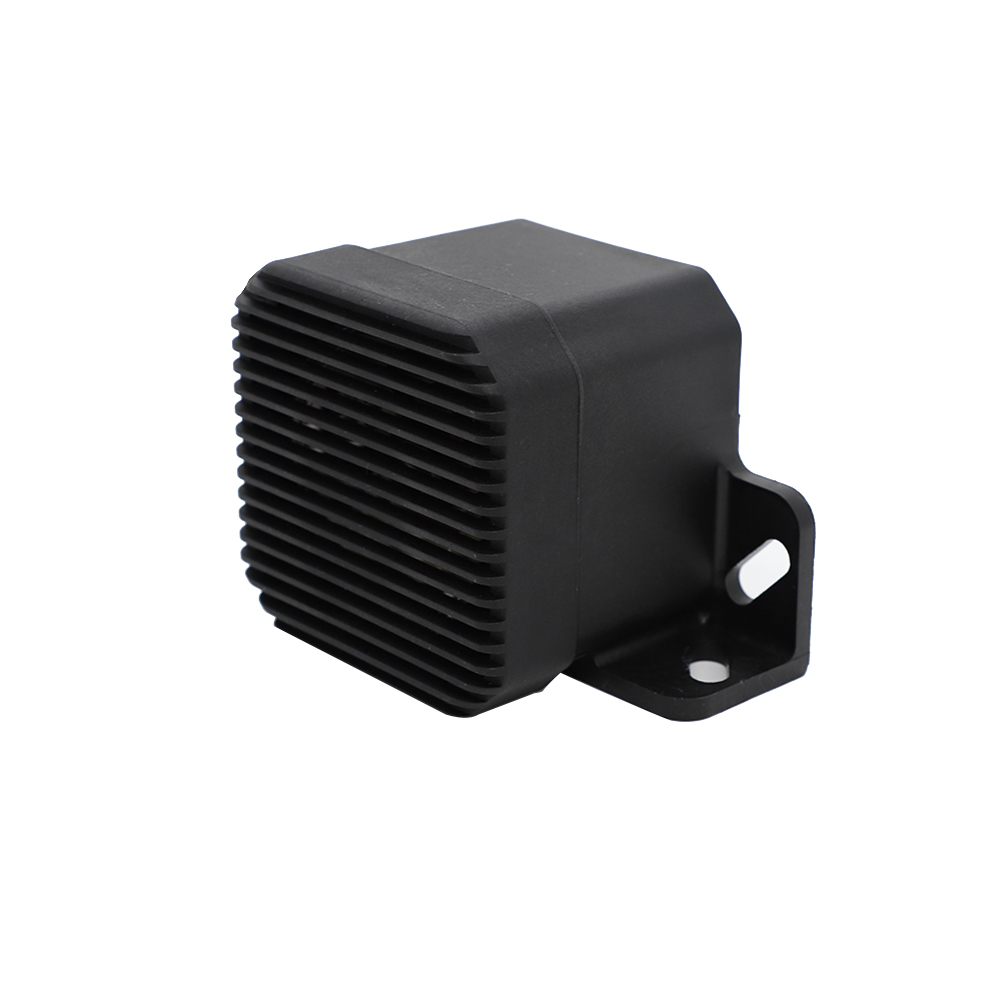
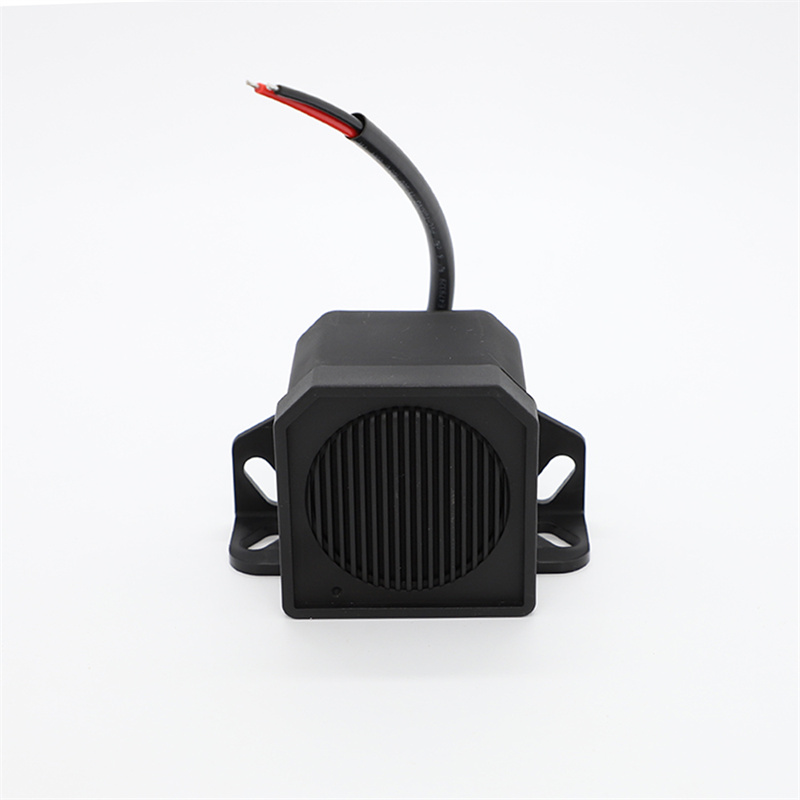
The sound-emitting devices are the most visible and recognizable part of any audible alarm system, and they come in several specialized forms to suit different installation scenarios. Wall-mounted audible horns are the most common, engineered to produce high-decibel tones that can travel down long corridors and around structural obstacles, while ceiling-mounted speakers are often used in open-plan spaces to ensure even sound distribution across every square meter of the area. Many modern versions of the audible alarm system also include integrated voice announcement capabilities, moving beyond generic beeps or bells to deliver clear, spoken instructions that tell occupants exactly what action to take next. Supporting these core elements are backup power supplies, usually consisting of long-life sealed lead-acid batteries, which ensure the audible alarm system remains fully operational even if the main building power supply is cut off during an emergency. Every component in a properly installed audible alarm system undergoes rigorous compliance testing to confirm it will not fail when lives depend on its performance.
Key Functional Principles That Define Audible Alarm System Performance
The effectiveness of an audible alarm system does not depend solely on how loud it can get; it relies on carefully engineered design principles that ensure the signal is perceived, understood, and acted upon by every person in the protected area. The first and most fundamental principle of any well-designed audible alarm system is audibility compliance, which requires the system’s output to meet strict decibel level standards set by global and local safety regulations. In general, an audible alarm system must produce a sound that is at least 15 decibels above the average ambient noise level in the space, and never drop below 65 decibels in any occupied area, ensuring that even people wearing hearing protection or listening to loud background music can still detect the warning signal.
A second critical principle that sets a professional-grade audible alarm system apart from basic noisemaking devices is signal distinctiveness. The tones generated by an audible alarm system are intentionally designed to be different from all other routine sounds in the environment, such as office telephones, factory machinery hum, or public announcement chimes. This distinct design ensures that people do not ignore the audible alarm system as just another everyday background noise, and immediately recognize it as a signal requiring urgent attention. Many modern implementations of the audible alarm system also use staged alert logic, where the system first emits a preliminary warning tone to indicate an initial anomaly, then escalates to a full evacuation tone and clear voice instructions if the risk is confirmed to be serious. This staged functionality prevents unnecessary panic from minor false triggers while ensuring that when a real emergency occurs, the audible alarm system communicates the full severity of the situation without ambiguity.
Another important functional principle of a high-quality audible alarm system is zoning capability, which allows the system to activate different audio signals in different sections of a building rather than triggering every speaker at once. This zoning feature means that if a fire is detected on the third floor of a multi-story building, the audible alarm system can first activate full warning tones on the third floor, then send a pre-alert signal to the second and fourth floors, and advise the ground floor to standby for further instructions. This targeted approach from the audible alarm system reduces mass panic that can cause dangerous stampedes at exits, and allows emergency responders to navigate the building more safely without being impeded by crowds evacuating unnecessarily from unaffected areas.
Common Application Scenarios for Modern Audible Alarm System Deployments
The versatility of a properly designed audible alarm system makes it suitable for an enormous range of use cases across nearly every sector of modern society. In residential buildings, a compact audible alarm system is most commonly integrated with smoke and carbon monoxide detectors, providing early warning to sleeping families when a fire or toxic gas leak occurs, a function that fire safety statistics show saves tens of thousands of lives every single year. For these home installations, the audible alarm system is often designed to produce a piercing, repetitive tone that can wake even deep sleepers, with a sound pattern specifically chosen to be highly distinguishable from other household alarms like kitchen timers or doorbells.
In industrial settings, an industrial-grade audible alarm system is an indispensable part of workplace safety infrastructure, deployed in factories, chemical processing plants, power stations, and warehouse facilities. In these high-risk environments, the audible alarm system is often engineered to withstand extreme temperatures, dust, moisture, and corrosive fumes that would disable standard consumer alarm devices. An industrial audible alarm system can be connected to pressure sensors, temperature monitors, and gas leak detectors, triggering immediate warnings the moment a piece of equipment begins to malfunction, giving workers critical extra minutes to shut down processes safely, shut off valves, or evacuate before a catastrophic failure occurs. Many industrial sites also program their audible alarm system to use different unique tones for different hazards: one distinct tone for a gas leak, a separate tone for an active fire, and another completely different tone for a general site evacuation, so that trained workers can identify the exact nature of the emergency before they even leave their workstations.
Commercial and public buildings represent another major deployment space for a robust audible alarm system, including shopping malls, schools, hospitals, airports, and large office complexes. In these high-occupancy spaces, the audible alarm system is almost always integrated with a broader fire safety and emergency management platform, and features high-quality voice speakers rather than simple horns. This allows the audible alarm system to deliver customized, multilingual instructions that guide people toward the nearest safe exit, warn against using elevators, and provide real-time updates as emergency response teams arrive on site. In hospitals, the audible alarm system is carefully calibrated to avoid causing distress to patients in recovery areas, while still remaining clearly audible to staff members and visitors, demonstrating how flexible a well-configured audible alarm system can be to meet the unique needs of its operating environment.
Compliance, Maintenance, and Future Evolution of Audible Alarm System Technology
To ensure that every installed audible alarm system performs as intended during an emergency, governments and safety standards organizations around the world have established strict regulatory requirements that govern every stage of an audible alarm system’s lifecycle, from initial design and manufacturing to installation, testing, and ongoing maintenance. All certified versions of an audible alarm system must pass rigorous third-party testing to prove they meet minimum audibility, reliability, and durability standards, and professional installation must be carried out by licensed technicians who can map every speaker location to guarantee no corner of the protected space is left without adequate sound coverage.
Regular scheduled maintenance is absolutely critical to preserving the long-term functionality of any audible alarm system, because even the highest-quality hardware can degrade over time due to age, dust accumulation, accidental damage, or battery depletion. Most safety regulations require that a full functional test of the entire audible alarm system is conducted at least once every quarter, with a more comprehensive inspection and diagnostic check carried out by a qualified safety professional at least once per year. During these maintenance visits, technicians will test every individual sound output device, verify the integrity of all wiring connections, check the remaining capacity of the backup power supply, and confirm that every sensor connected to the audible alarm system can successfully trigger the correct warning signal. Skipping these maintenance checks can leave an audible alarm system with dead speakers, drained batteries, or disconnected sensors that will fail to activate exactly when people need it most.
Looking ahead, the next generation of the audible alarm system is being enhanced with smart connected technology that will unlock new capabilities that were impossible with older, standalone systems. Modern smart iterations of the audible alarm system can now connect to building management systems, share real-time alert data with on-site security teams and off-site emergency response centers, and use adaptive audio algorithms that automatically adjust the volume of the warning signal when the system detects that ambient noise levels in the building have suddenly increased. Some cutting-edge developments in the audible alarm system space are even exploring directional audio technology, which can project warning sounds directly toward specific evacuation routes, guiding people toward safety with far greater precision than ever before, while reducing unnecessary noise pollution in unaffected areas. As artificial intelligence and internet of things technology continue to mature, the audible alarm system will evolve from a simple reactive warning device into a proactive, intelligent safety platform that can identify potential risks earlier, communicate more clearly, and save even more lives in the decades to come.
Conclusion
The audible alarm system stands as one of the most fundamental, proven, and irreplaceable pillars of modern public and personal safety, a technology whose core value has only grown more important as our buildings, workplaces, and public spaces have become larger, more complex, and more densely populated. The audible alarm system is far more than a collection of buzzers and speakers; it is a carefully engineered, rigorously regulated safety ecosystem designed to cut through distraction, overcome sensory limitations, and deliver a clear, unambiguous warning that can mean the difference between a safe outcome and a preventable tragedy. Across homes, factories, schools, hospitals, and every other type of occupied space, the audible alarm system continues to demonstrate its reliability, adaptability, and life-saving potential every single day. As new technologies emerge to enhance its capabilities, the audible alarm system will remain an essential, non-negotiable component of any comprehensive safety strategy, protecting generations of people from harm long into the future.
FAQ
Q: What is the core definition of an audible alarm system?
A: An audible alarm system is a purpose-built safety infrastructure that generates standardized, high-recognizability acoustic warning signals to alert occupants of potential hazards, emergencies, or operational anomalies in residential, commercial, and industrial spaces. It is designed to cut through ambient background noise and deliver immediate attention-grabbing notifications even when individuals are not observing visual warning indicators.
Q: What are the mandatory performance standards that a certified audible alarm system must meet?
A: A compliant audible alarm system must deliver a sound output at least 15 decibels above the average ambient noise level of the protected area, with a minimum volume of no less than 65 decibels in all occupied zones. It must also be equipped with independent backup power supplies to ensure full functionality even when the main building power supply is interrupted during emergency scenarios.
Q: Can an audible alarm system be customized for different hazard types in the same building?
A: Yes. A modern zoning-enabled audible alarm system can be programmed with distinct, unique acoustic tones and targeted voice announcements for different hazard categories, including fire outbreaks, toxic gas leaks, unauthorized intrusions, and equipment malfunctions. It can also trigger alerts in specific building zones instead of activating all speakers at once to avoid unnecessary mass panic.
Q: What regular maintenance procedures are required to keep an audible alarm system operating reliably?
A: A fully functional audible alarm system requires quarterly functional tests to verify every sound-emitting device and connected detection sensor works as intended, plus an annual comprehensive inspection by a certified safety technician. Technicians will check wiring integrity, backup battery capacity, and signal transmission performance to eliminate hidden faults that could cause system failure during emergencies.
Q: How does a modern smart audible alarm system differ from traditional standalone alarm devices?
A: Unlike basic standalone buzzers that only produce a single fixed tone, a connected smart audible alarm system can integrate with building management platforms, adjust output volume dynamically based on real-time ambient noise levels, share alert data directly with emergency response teams, and deliver multilingual guided evacuation instructions to occupants for more efficient, safer emergency handling.
I want to comment
Recommended Products

YS-BQ3-4C 12-24V 87dB audible alarm buzzer
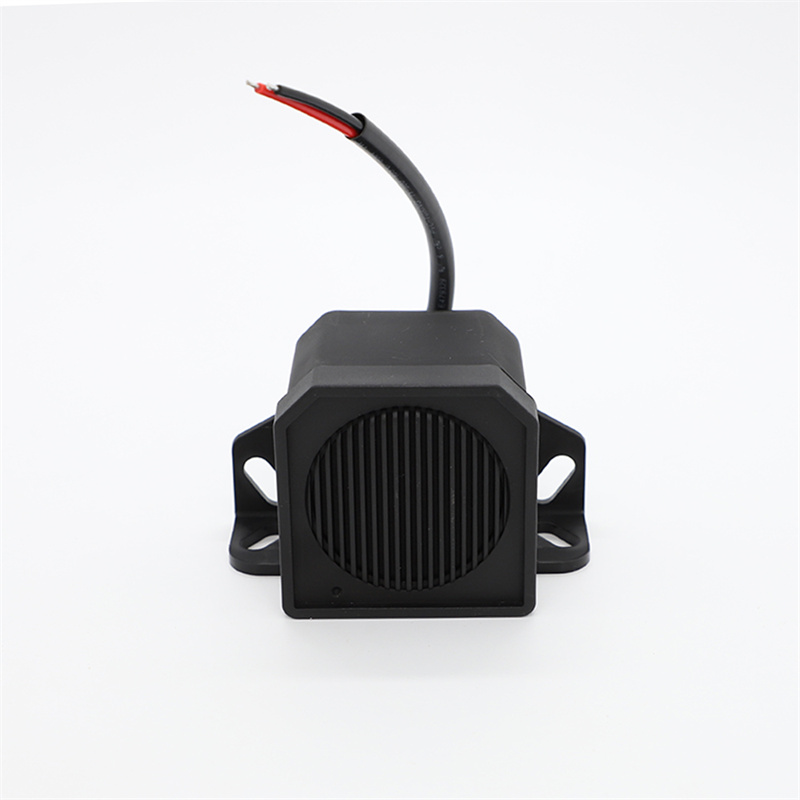
YS-B81C-6LRBB-S-1 12~24V 97dB audible alarm speaking alarm
YS-B81C-5LRB-SP-S (Spanish) 12~24V 97dB audible alarm speaking alarm
YS-B81W-KV-S01, 12~24V 97dB audible alarm talking alarm for home
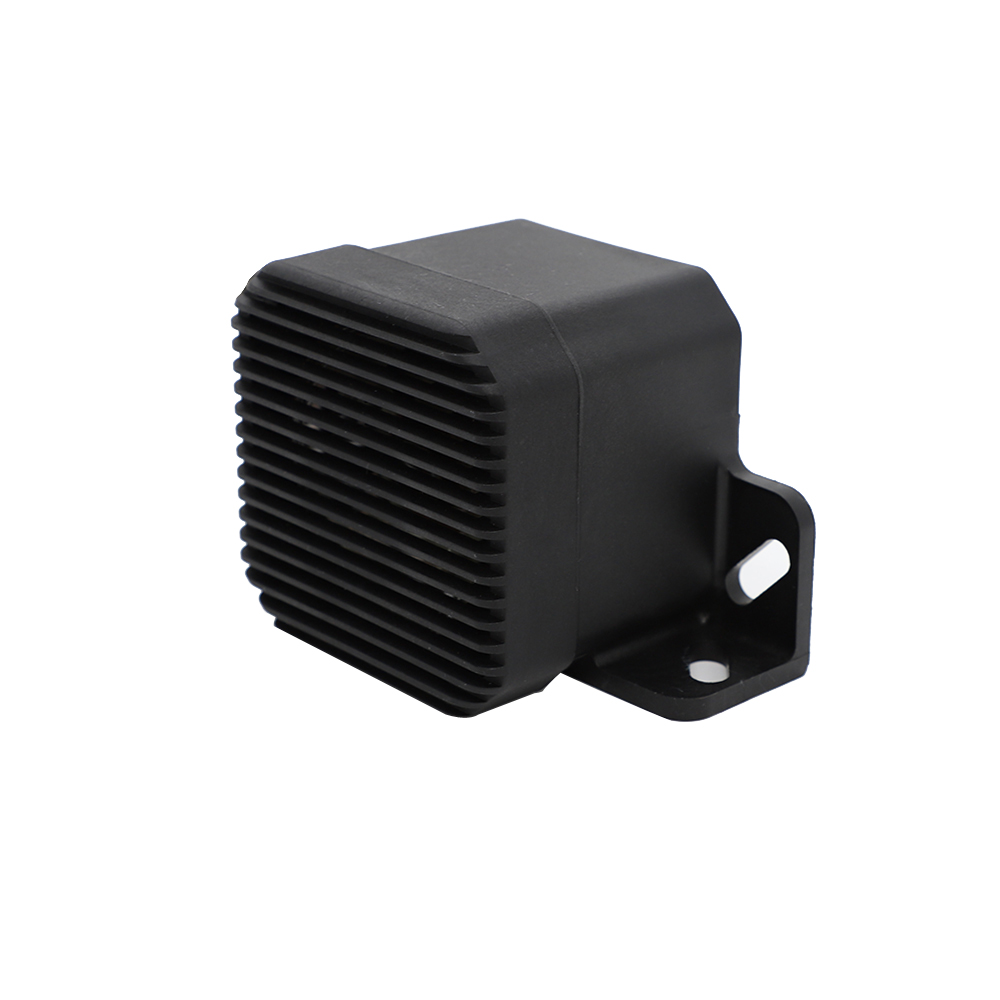
YS-B81D-2MS-L 12~24V 97dB audible alarm talking alarm for fire and smoke






View More(Total0)Comment lists