





What is the acoustic vehicle alerting system (AVAS)
 Sep 22, 2026|
 View:9
Introduction to the acoustic vehicle alerting system
The acoustic vehicle alerting system, widely known by its abbreviation AVAS, is a purpose-built active safety device developed exclusively for battery electric vehicles, plug-in hybrid electric vehicles, and other new energy vehicles that operate in near-silent pure-electric driving modes. As the global adoption of low-emission, electrified mobility continues to accelerate, the acoustic vehicle alerting system has evolved from a niche optional feature into a legally mandated core component for nearly every new energy vehicle entering the consumer market. The fundamental design logic behind the acoustic vehicle alerting system addresses a unique and previously unrecognized road safety risk: at low speeds, the electric powertrain generates almost no perceptible operating noise, meaning pedestrians, cyclists, and especially visually impaired road users often cannot detect an approaching vehicle until it is dangerously close. The acoustic vehicle alerting system solves this problem by emitting a carefully calibrated, clearly identifiable external warning sound during specific low-speed driving scenarios, filling the “silent gap” that electrified vehicles create in the traditional urban soundscape. Unlike traditional vehicle horn systems that are activated manually by the driver, the acoustic vehicle alerting system operates fully automatically, tied directly to the vehicle’s speed, driving mode, and gear position to activate and deactivate without any driver input required.
Core working principles and activation rules of the acoustic vehicle alerting system
Every modern acoustic vehicle alerting system is engineered to follow consistent, regulation-aligned operating logic that ensures the warning sound activates exactly when it is needed most, and automatically switches off when it no longer serves a safety purpose. The standard acoustic vehicle alerting system is programmed to trigger automatically whenever the vehicle is operating in pure-electric mode at speeds below 20 kilometers per hour, a speed range where tire noise and wind noise are not yet loud enough to be reliably noticed by nearby pedestrians. For many regional markets, the acoustic vehicle alerting system’s activation threshold is extended to 30 kilometers per hour to provide an extra layer of safety protection in low-speed residential and campus zones. One of the most critical non-negotiable activation rules for every certified acoustic vehicle alerting system is continuous operation when the vehicle is placed in reverse gear, regardless of its current speed. This means the acoustic vehicle alerting system will emit a steady, distinct warning tone every time the driver selects the R position, even if the vehicle is only moving a few centimeters backward in a crowded parking lot.
The acoustic vehicle alerting system does not produce a static, unchanging sound at all times; its audio output is dynamically adjusted in real time to match the vehicle’s current traveling speed. As the vehicle accelerates from a standstill up to the 20 kilometer per hour threshold, the acoustic vehicle alerting system automatically increases the pitch and slightly raises the volume of its warning tone, creating a natural “frequency shift” effect that allows nearby pedestrians to intuitively perceive that the vehicle is moving and accelerating toward them. Regulatory standards around the world require that at least one core frequency in the acoustic vehicle alerting system’s audio output changes proportionally with speed, with an average shift of no less than 0.8 percent for every 1 kilometer per hour increase in vehicle speed. As soon as the vehicle’s speed exceeds the predefined upper activation limit, the acoustic vehicle alerting system automatically mutes its external speaker, because the tire and wind noise generated at higher road speeds is already more than sufficient to alert surrounding road users to the approaching vehicle. This automatic deactivation design ensures the acoustic vehicle alerting system never creates unnecessary noise pollution on highways or fast-moving arterial roads.
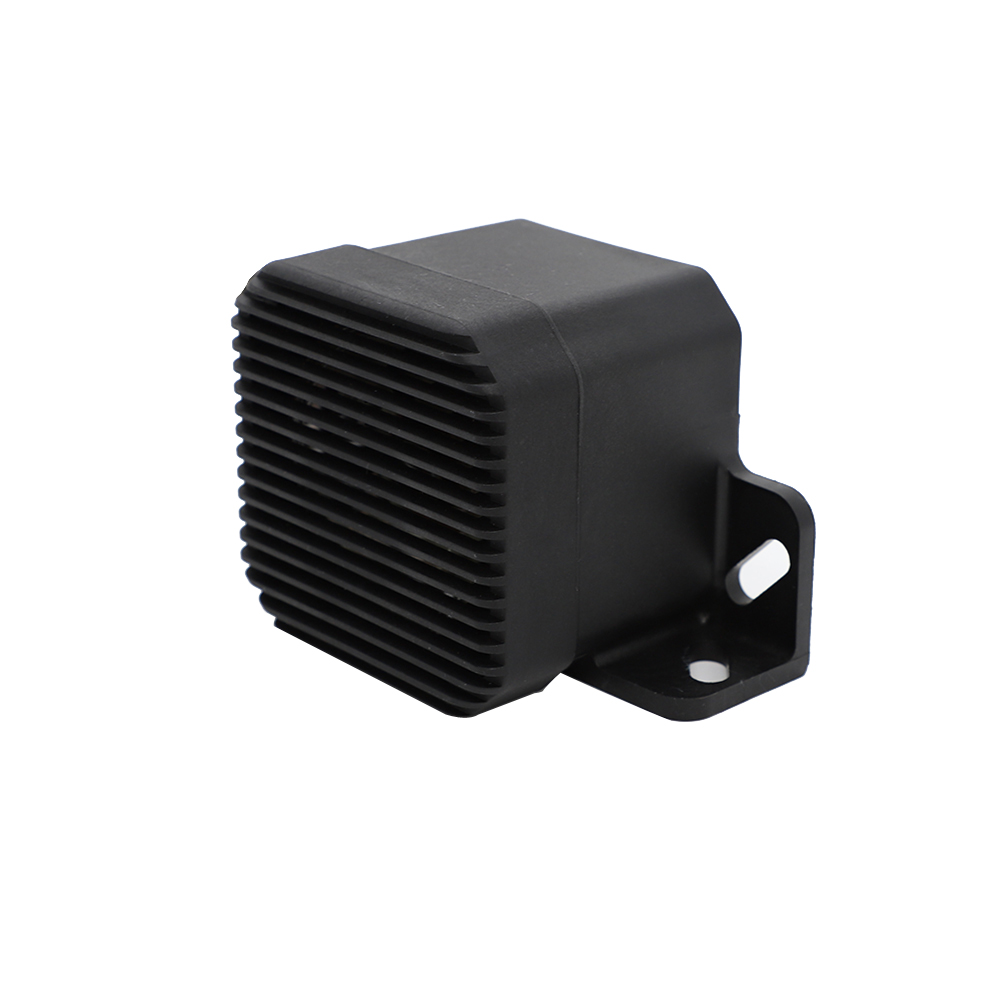
Global regulatory requirements for the acoustic vehicle alerting system
The widespread rollout and standardization of the acoustic vehicle alerting system did not happen by accident; it was driven by coordinated, cross-border regulatory action that recognized the silent electric vehicle safety risk and acted to create uniform safety rules for all road users. The first major global regulatory push for mandatory installation of the acoustic vehicle alerting system came from the European Union, which introduced clear rules requiring every new pure electric and hybrid vehicle launched after July 2019 to be equipped with a fully functional acoustic vehicle alerting system, with all existing vehicle models required to be retrofitted to meet the standard by July 2021. This regional rule was quickly followed by a harmonized global technical regulation that set consistent baseline performance requirements for the acoustic vehicle alerting system across dozens of participating countries.
In China, the national mandatory safety standard formally came into effect at the start of 2018, requiring every newly manufactured new energy vehicle to be fitted with a certified acoustic vehicle alerting system before it can be sold to consumers. This was followed shortly after by a dedicated product specification that laid out extremely detailed technical requirements for every aspect of the acoustic vehicle alerting system, including its operating speed range, minimum and maximum sound pressure levels, usable frequency band, and dynamic frequency shift performance. The United States, Japan, Australia, and many other national markets have since introduced their own equivalent mandatory rules, all requiring that new electrified vehicles sold to the public include a fully compliant acoustic vehicle alerting system. Nearly all modern acoustic vehicle alerting system regulations explicitly ban permanent manual deactivation of the system, ensuring that the safety protection the acoustic vehicle alerting system provides cannot be accidentally or intentionally disabled by the vehicle owner. While some regional rules allow for a temporary one-time mute function, every standard requires that the acoustic vehicle alerting system automatically reactivates to its default active state the next time the vehicle’s ignition is turned on.
Key safety and functional benefits of the acoustic vehicle alerting system
The primary and most impactful benefit of the acoustic vehicle alerting system is its ability to drastically reduce low-speed collisions between new energy vehicles and vulnerable road users. Independent real-world traffic safety data shows that when a properly functioning acoustic vehicle alerting system is active, the risk of a low-speed pedestrian collision drops by more than 60 percent, an improvement that translates to thousands of prevented injuries and accidents every year in dense urban driving environments. For visually impaired pedestrians who rely almost entirely on auditory cues to judge approaching traffic, the acoustic vehicle alerting system is not merely a convenience feature—it is a critical accessibility tool that makes navigating electric vehicle filled streets far safer and far less stressful. In crowded underground parking garages, busy residential neighborhoods full of playing children, and slow-moving urban pedestrian zones, the consistent warning tone from the acoustic vehicle alerting system gives people nearby clear, unambiguous advance notice that a vehicle is approaching, long before they would be able to hear the vehicle’s natural operating noise.
Beyond its core pedestrian safety advantages, a well-designed acoustic vehicle alerting system also delivers additional practical benefits that improve the overall driving experience. Many modern implementations of the acoustic vehicle alerting system are engineered to integrate with the vehicle’s wider security architecture, so the same external speakers used for the warning tone can also emit a loud, attention-grabbing alert if the vehicle detects an attempted break-in, unexpected impact, or unauthorized movement. This dual-use functionality means the acoustic vehicle alerting system adds extra layers of vehicle protection without requiring manufacturers to install additional separate external speaker hardware. In recent years, the acoustic vehicle alerting system has also evolved into a unique brand identity tool, as vehicle manufacturers work with professional audio designers to create distinct, carefully tuned warning sounds that meet all regulatory requirements while also giving their electrified models a unique, recognizable audio signature that stands out from every other vehicle on the road.
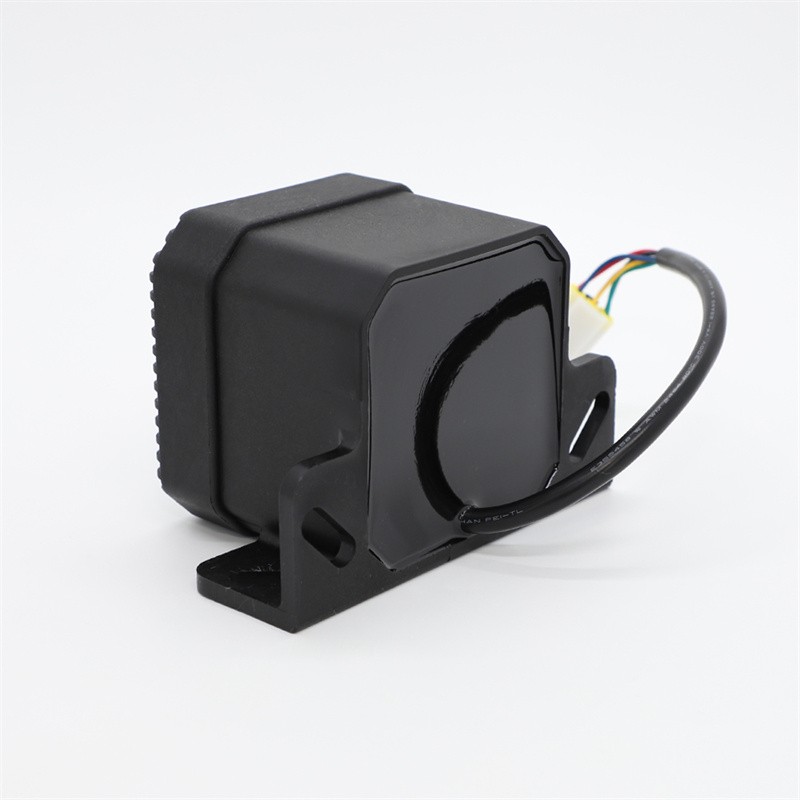
Design, maintenance and common misconceptions about the acoustic vehicle alerting system
A standard production acoustic vehicle alerting system consists of a dedicated control processing unit, one or two weather-sealed external loudspeakers mounted in the front or rear bumper area, and a direct data connection to the vehicle’s CAN bus network to pull real-time data about vehicle speed, gear position, and driving mode. Most modern high-performance versions of the acoustic vehicle alerting system use redundant processing architectures to ensure that even in the extremely unlikely event of a single component failure, the system will continue to operate correctly and emit its required warning tone. Many of the latest generation acoustic vehicle alerting system products also include built-in open-load detection functionality, which continuously monitors the connection status of the external speakers and alerts the driver immediately if a speaker becomes disconnected, damaged, or blocked by accumulated road dust, mud, or standing water. This self-monitoring feature guarantees that the acoustic vehicle alerting system will never unexpectedly stop providing its safety protection without the driver receiving a clear warning that maintenance is required.
There are several extremely common misconceptions about the acoustic vehicle alerting system that continue to circulate among new energy vehicle owners. One of the most widespread false beliefs is that the acoustic vehicle alerting system is a useless, annoying feature that creates unnecessary noise pollution. In reality, every certified acoustic vehicle alerting system is calibrated to keep its sound pressure level within a narrow, carefully tested range that is easily noticeable for nearby pedestrians but not loud enough to create a persistent noise nuisance for people inside the vehicle or residents in nearby buildings. Another common misconception is that disabling the acoustic vehicle alerting system will make the vehicle more silent and improve refinement, but this action not only violates national road safety regulations in most markets, it also drastically increases the risk of a low-speed pedestrian collision that could have been completely avoided if the acoustic vehicle alerting system had been left active. Vehicle owners are advised to never attempt to modify, disconnect, or permanently disable their acoustic vehicle alerting system, and to ask their service technician to perform a full functionality check of the acoustic vehicle alerting system during every routine scheduled maintenance visit.
Conclusion
The acoustic vehicle alerting system is far more than a simple mandatory regulatory checkbox or an annoying extra noise feature added to modern electric vehicles; it is a carefully engineered, life-saving active safety technology that fills the unique safety gap created by the near-silent operation of modern electrified powertrains. Every element of the acoustic vehicle alerting system, from its automatic speed-linked activation logic, its dynamically shifting calibrated audio output, to its global harmonized performance standards, is designed with one single core priority: making sure that pedestrians, cyclists, and all vulnerable road users can hear an approaching new energy vehicle clearly and reliably, even in the busiest, most crowded low-speed driving environments. As electrified mobility continues to become the global standard for personal and public transportation, the acoustic vehicle alerting system will only grow in importance, evolving with new audio design innovations, deeper vehicle system integration, and even more refined performance to deliver quieter, more recognizable, and less intrusive warning tones that balance perfect road safety with a peaceful urban soundscape. No matter how the technology develops in the future, the core mission of the acoustic vehicle alerting system will never change: to create a safer, more inclusive road environment where every person, regardless of their visual ability, can move around confidently, knowing that every approaching vehicle is equipped with an acoustic vehicle alerting system that will warn them before it gets too close.
FAQ
Q: What is an acoustic vehicle alerting system?
A: It is a sound warning device for EVs and hybrids. It generates artificial sounds at low speeds to alert pedestrians, compensating for quiet motor operation and improving road safety.
Q: At what speed range does the acoustic vehicle alerting system work?
A: It mainly activates below 20-30 km/h. Above this speed, tire and wind noise are enough for warning, so the system will automatically turn off to save power.
Q: Can the acoustic vehicle alerting system adjust its sound volume and frequency?
A: Yes. The sound pitch and volume change with vehicle speed and acceleration. It follows global regulatory standards to keep recognizable and consistent warning effects.
Q: Is your acoustic vehicle alerting system compliant with international regulations?
A: Our AVAS meets UN R138 and FMVSS standards. We support customized design for different vehicle models to pass certification smoothly for global markets.
Q: What installation and maintenance requirements does the acoustic vehicle alerting system have?
A: It features compact size for easy mounting. It needs little daily maintenance. Regular function checks are enough to guarantee stable performance in long-term operation.





View More(Total0)Comment lists