





What vehicles need a backup alarm
 Sep 14, 2026|
 View:11
Most industrial, commercial, agricultural, and emergency vehicles need a backup alarm when the operator's rear view is obstructed. Passenger cars are usually exempt. The requirements depend on several factors. Vehicle type plays a role. So does weight. Your workplace setting matters too. Regulations from OSHA, MSHA, and FMCSA often apply.
For example, OSHA requires backup alarms on earth-moving equipment when no ground guide is available. MSHA mandates them on self-propelled mobile equipment with obstructed rear visibility. FMCSA rules cover many commercial trucks. These agencies set different standards for different vehicles. Understanding these rules helps you stay compliant and keep workers safe.
Key Takeaways
Industrial and commercial vehicles with blocked rear views need backup alarms. OSHA, MSHA, and FMCSA regulations apply.
Passenger cars rarely need backup alarms. An exception is on off-highway jobsites with obstructed views.
Spotters can replace backup alarms for vehicles with blocked views. This option meets OSHA requirements.
Invest in quieter backup alarms and regular compliance audits. This approach protects workers and avoids costly fines.
Industrial Vehicles That Need a Backup Alarm
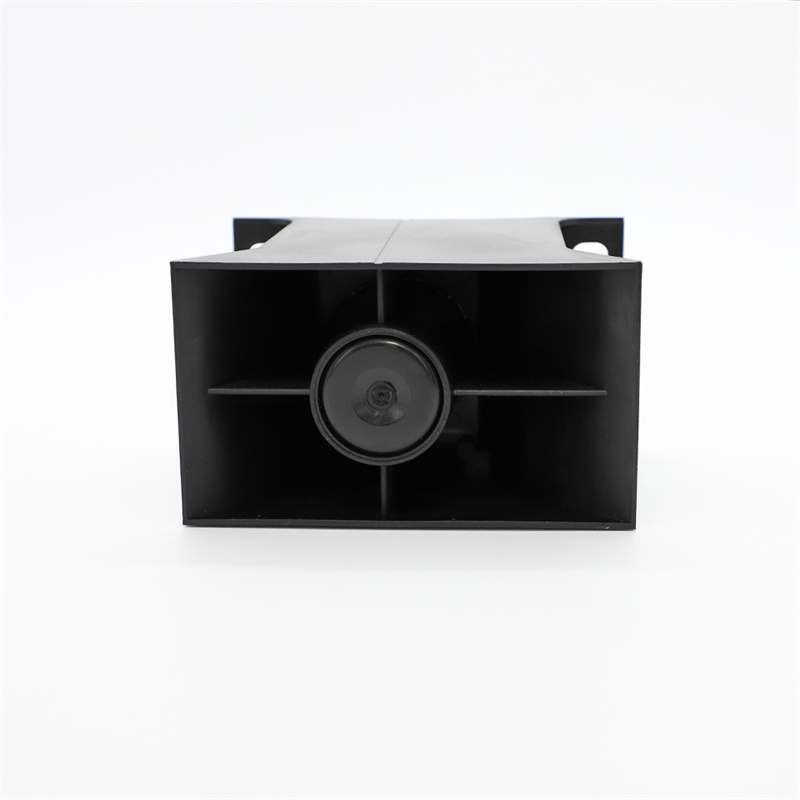
Industrial workplaces present some of the highest risks for backing accidents. Heavy machinery, limited visibility, and noisy environments create dangerous conditions. Federal regulations address these hazards directly. You need to understand which vehicles require alarms and what rules apply.
Forklifts and Powered Trucks
Forklifts operate in warehouses, loading docks, and manufacturing floors. These vehicles carry heavy loads that block the operator's view. Pedestrians walk nearby. The combination creates serious risks during reverse movement.
OSHA requires backup alarms or an observer for earth-moving vehicles with an obstructed rear view when no ground guide is available. This rule applies to forklifts and similar powered industrial trucks. You must provide either an audible warning device or a spotter to alert people nearby.
Sound pressure level matters for forklift alarms. Forklift Academy recommends that audible backup alarm volume should be between 85 and 110 decibels. The Grote 60 Series Star Alarm specifies a sound pressure level of 82–102 dB. These ranges ensure workers can hear the alarm above typical workplace noise.
Yueda offers the B10 model for forklifts and small vehicles. This lightweight, cost-effective alarm operates on 12V to 48V systems. It produces output between 100dB and 112dB. The B10 provides reliable performance for warehouse and loading dock operations.
Construction and Mining Equipment
Construction sites and mines present extreme hazards. Large equipment moves constantly. Operators often cannot see behind their machines. MSHA regulates mining equipment under 30 CFR 56.14132. This standard sets clear requirements for audible warnings.
§ 56.14132(b)(1): When the operator's view to the rear is obstructed, the equipment must have one of the following: (i) an automatic reverse-activated signal alarm; (ii) a wheel-mounted bell alarm sounding at least once per three feet of reverse movement; (iii) a discriminating backup alarm covering the obstructed-view area; or (iv) an observer signaling when it is safe to back up.
The regulation also requires alarms to be audible above surrounding noise levels. At night, you may use an automatic reverse-activated strobe light instead of an audible alarm. Rail equipment falls outside this standard.
Yueda manufactures several models for construction and mining. The B00 series suits heavy-duty machinery. The B40 works well for small to medium excavators. For heavy industrial and mining equipment, the B60 and BK models provide durable performance in harsh conditions. All models operate on 12V to 48V systems with output between 100dB and 112dB.
These alarms protect workers on foot and other equipment operators. The loud, distinct beep cuts through engine noise and alerts everyone nearby. Compliance with MSHA and OSHA rules protects your workforce and avoids potential fines.
Commercial Trucks and Backup Alarm Rules
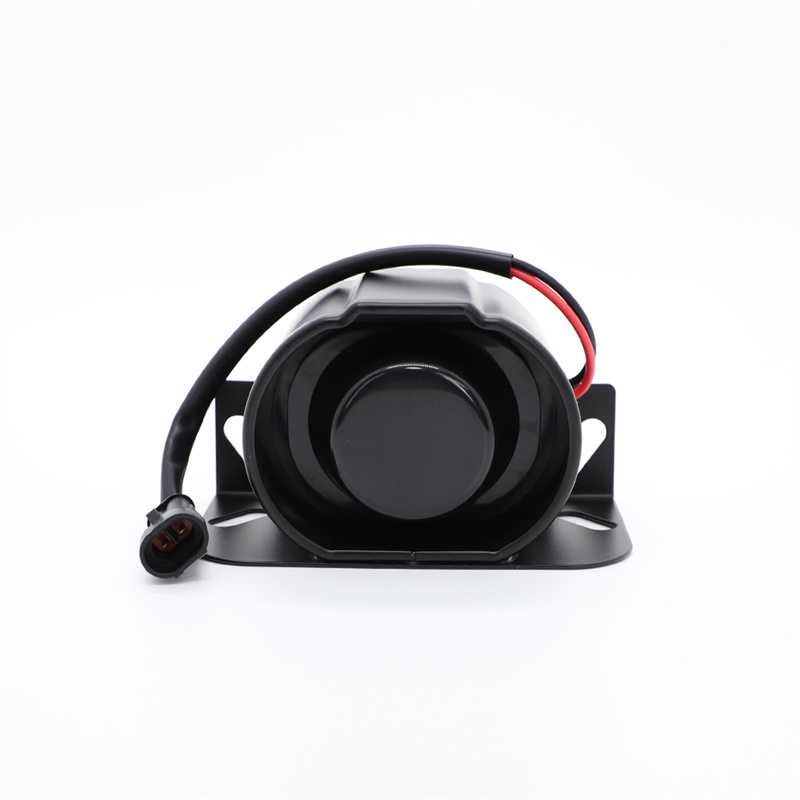
Commercial trucks operate in diverse settings. You find them on highways, in city streets, and at loading docks. Their size and large blind spots make backing up risky. Many of these vehicles fall under FMCSA jurisdiction. The rules differ from OSHA standards for industrial sites. Understanding these commercial vehicle rules helps you equip your fleet correctly. A proper warning system protects your drivers and everyone around them.
FMCSA and DOT Fleets
The FMCSA sets safety standards for trucks moving goods across state lines. The rules live in 49 CFR Part 393. These regulations require an audible warning device whenever the driver cannot see clearly behind the vehicle. This rule applies to heavy trucks, semi-trailers, and other commercial vehicles. You must check your specific vehicle configuration. Each truck has different blind spots depending on its length and cargo. You need to assess the risk for each vehicle in your fleet.
You might hear about the 10,000-pound GVWR exemption. This specific exemption comes from 29 CFR 1926. That regulation applies to construction workplaces only. It says vehicles weighing 10,000 pounds or less do not require a backup alarm under that exact standard. Do not let this confuse you. If your truck operates in a worksite with obstructed visibility, you still need a safety solution. You must provide a warning system or a spotter. Under FMCSA rules, the obstructed-view requirement stands regardless of weight. You should always prioritize safety over a narrow technical exemption.
Yueda offers reliable backup alarm solutions for commercial fleets. The B00 series suits heavy-duty tractors and trailers. The B10 fits lighter work trucks and vans perfectly. Both models are easy to install. They feature universal sizing for quick mounting. All models operate on 12V to 48V systems. This makes them compatible with diesel, gasoline, and electric trucks. They deliver a powerful sound output between 100dB and 112dB. This volume ensures workers and pedestrians hear the warning even in noisy traffic environments. Compliance with FMCSA rules protects your business and your drivers.
Waste, Delivery, and Utility Trucks
These trucks work closely with the public every day. Waste trucks reverse down narrow residential streets. Delivery vans back into crowded loading zones. Utility trucks maneuver in and out of construction sites. Each scenario has unique backing hazards. These vehicles make frequent stops. They reverse constantly. The risk of an accident is high without proper warnings.
Federal rules cover interstate fleets. But many waste and delivery trucks operate locally. In these cases, state or city codes often apply. Many local governments require backup alarms. Company safety policies also mandate them. You need hardware that withstands constant use and harsh weather conditions.
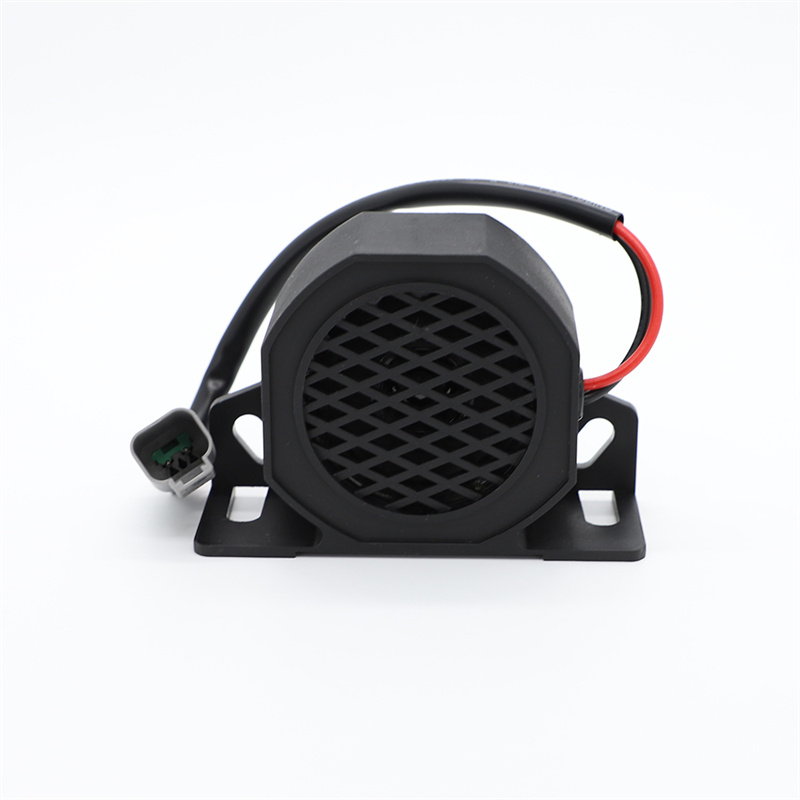
Yueda backup alarms are engineered for these demanding applications. The YS-B04A and YS-B62 models handle dirty, wet conditions well. They provide consistent performance in rain, dust, and extreme temperatures. The B10 remains a popular choice for lightweight vans and utility trucks. It keeps your warning system simple and affordable.
Think about a garbage truck reversing in a neighborhood. The loud beep alerts pedestrians, children, and pet owners. It signals the driver's intention clearly. It gives people time to move out of the way. A working alarm on these trucks serves as a critical communication tool. Yueda alarms operate from 12V to 48V. They work with modern electric delivery vehicles and traditional diesel trucks. The 100dB to 112dB output serves as a clear, unmistakable alert. This simple device prevents accidents and saves lives.
Agricultural and Emergency Vehicles
Farm work and emergency response share a common challenge. Vehicles in both categories often reverse in tight spaces with poor visibility. The same safety principles that apply to industrial machinery apply here too.
Tractors and Farm Equipment
Tractors pull heavy implements that block the rear view. Combines, balers, and spreaders create similar blind spots. You cannot see behind these machines from the driver's seat. This obstructed-view problem mirrors the hazards found on construction sites. The same logic applies: when you cannot see clearly behind your vehicle, you need an audible warning.
OSHA's obstructed-view principle covers agricultural equipment used in workplace settings. If your tractor operates on a farm with employees nearby, you should treat it like any other industrial vehicle. A backup alarm alerts workers on foot, livestock handlers, and family members who may not hear the engine over field noise. Yueda's B10 model fits small tractors and utility vehicles. The B40 handles larger farm equipment. Both operate on 12V to 48V systems and produce 100dB to 112dB output. This volume cuts through the rumble of diesel engines and the clatter of attached implements.
Fire Trucks and Ambulances
Emergency vehicles face unique backing hazards. Fire trucks reverse into stations with tight door clearances. Ambulances back into hospital bays and scene perimeters. These maneuvers happen under time pressure. Crews and bystanders often stand nearby. A silent reversing vehicle becomes a serious threat.
Many fire departments and EMS agencies equip their fleets with backup alarms or combined sound-and-light warning systems. These devices serve double duty. They alert people in the station and on scene. Yueda's YS-BQ and YS-B50 models combine sound and light for enhanced visibility. The audible beep warns people who cannot see the vehicle. The flashing light warns those who cannot hear the alarm over sirens or radio traffic. This dual approach works well in chaotic emergency environments. You protect your crew and the public with one integrated device.
Passenger Vehicles and Exceptions
Why Most Cars Are Exempt
Backup alarms are only required when the operator's vision to the rear is obstructed and visibility is limited during reversing. This situation rarely applies to passenger cars. Their smaller size and better rearview visibility lower the likelihood of backover collisions. This reduced collision risk is the main rationale for treating them differently from commercial vehicles.
Modern passenger cars also come with advanced cameras and mirrors that minimize blind spots. These design features address the rear-blind-spot problem that would otherwise require an audible backup alarm under OSHA rules. You can see clearly behind your car through the rearview mirror, side mirrors, and backup camera. This visibility means you do not need a separate warning device for normal driving.
When Cars May Still Need Alarms
Some situations change the equation. If you drive a passenger car on an off-highway jobsite, different rules apply. OSHA Standard 1926.601(b)(4) states:
No employer shall use any motor vehicle [that operates on an off-highway jobsite] having an obstructed view to the rear unless the vehicle has a reverse signal alarm audible above the surrounding noise level or the vehicle is backed up only when an observer [spotter] signals that it is safe to do so.
On construction site vehicles that have an obstructed view to the rear, OSHA requires reverse signal alarms that are loud enough to be heard above the surrounding noise level. If the vehicle has an obstructed view to the rear and no alarm, a spotter must be used. This rule applies to any motor vehicle on the site, including passenger cars used for work purposes.
In some newer vehicles, the backup alarm function is integrated into the rear parking assist feature. This integration potentially eliminates the need for a separate alarm chip. Your car's parking sensors and camera system may already provide adequate warning. You should check your vehicle's features before adding aftermarket equipment.
Emerging Trends and Compliance Tips
Quieter Alarms and Camera Systems
Backup alarm technology is changing fast. Manufacturers now build alarms that reduce noise complaints while keeping workers safe. You should know about these developments before your next fleet upgrade.
Broadband sound technology represents one of the biggest shifts. Traditional high-pitch beepers echo across streets and generate public complaints. White-noise alarms stay contained within the immediate hazard zone. The sound dissipates quickly and does not carry across neighborhoods. This feature makes them especially suitable for municipal fleets in urban and residential areas.
Self-adjusting volume is another key trend. These alarms become louder only as background noise increases. They remain quiet when not needed, such as in residential areas or nighttime work zones. Yueda's YS-B05LD features a self-adjusting beep sound that responds to the surrounding environment. Customizable volume and decibel adjustability are emerging as standard features across the industry.
Camera-based systems now supplement audible warnings. Proximity sensors and AI modules create smarter, context-aware alerting. Self-test functionality ensures alarms remain operational and compliant. Experts recommend prioritizing decibel-adjustable and broadband models to balance safety with noise reduction. Over the next 6 to 12 months, you should consider investing in broadband or customizable reverse alarms and upgrading legacy forklift assets for smart integration.
How to Stay Compliant
You must check the specific rules that apply to your vehicles. OSHA, MSHA, and FMCSA each set different standards. A forklift in a warehouse falls under different requirements than a semi-truck on the highway. Read the regulations carefully and match them to your equipment.
OSHA penalties for non-compliance are substantial. A serious violation costs $16,550 per violation at 2025 rates. Willful or repeated violations reach $165,514 per incident. These figures should motivate you to audit your fleet regularly.
Violation Type | OSHA Penalty (2025 rates) |
|---|---|
Serious violation | $16,550 per violation |
Willful or repeated violation | $165,514 per violation |
Consult a safety professional when you feel unsure. They can review your specific vehicles and workplace conditions. Proactive audits help you identify gaps before an inspector does. Compliance protects your workers and your business.
No single rule covers every vehicle. Your requirements depend on vehicle type, workplace regulations, and safety standards. A forklift in a warehouse follows different rules than a semi-truck on the highway. You must verify the specific OSHA, MSHA, or FMCSA rules that apply to your vehicles. Consult a safety professional when you feel unsure.
Compliance protects your workers and pedestrians. It also helps you avoid costly fines. A working backup alarm saves lives and money. Alarm technology keeps improving. Quieter, self-adjusting models now balance safety with noise concerns. Audible warnings remain essential. Stay informed and keep your fleet compliant.
FAQ
Do passenger cars ever need backup alarms?
Yes, if you drive a passenger car on an off-highway jobsite with an obstructed rear view. OSHA Standard 1926.601(b)(4) applies to any motor vehicle on a construction site. That includes passenger cars used for work purposes.
Can you use a spotter instead of a backup alarm?
Yes. OSHA allows an observer or ground guide when your vehicle has an obstructed rear view and no reverse signal alarm. The spotter signals when it is safe to back up. This option works for any covered vehicle.
What is the 10,000-pound GVWR exemption?
This exemption comes from 29 CFR 1926 for construction workplaces only. Vehicles at or below 10,000 pounds do not need a backup alarm under that specific rule. Other OSHA or FMCSA requirements may still apply to your situation.
Are backup alarms required for all commercial trucks?
Not all, but many. FMCSA rules require an audible warning when your driver cannot see clearly behind the vehicle. Heavy trucks, semi-trailers, and other commercial vehicles with obstructed rear views must have a backup alarm.







View More(Total0)Comment lists