





What vehicles are required to have a backup alarm
 Jan 20, 2026|
 View:2821
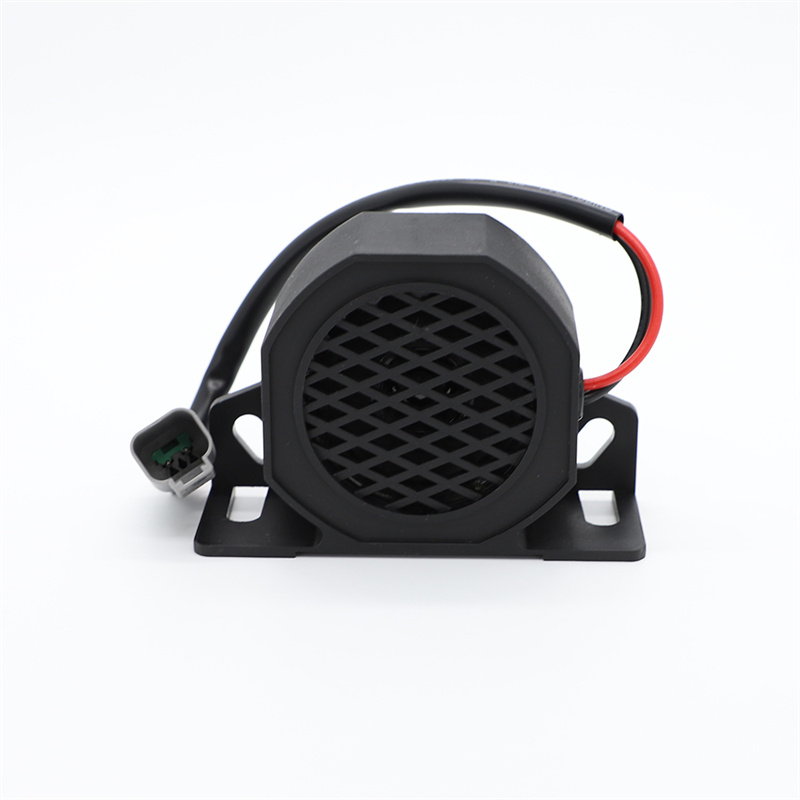
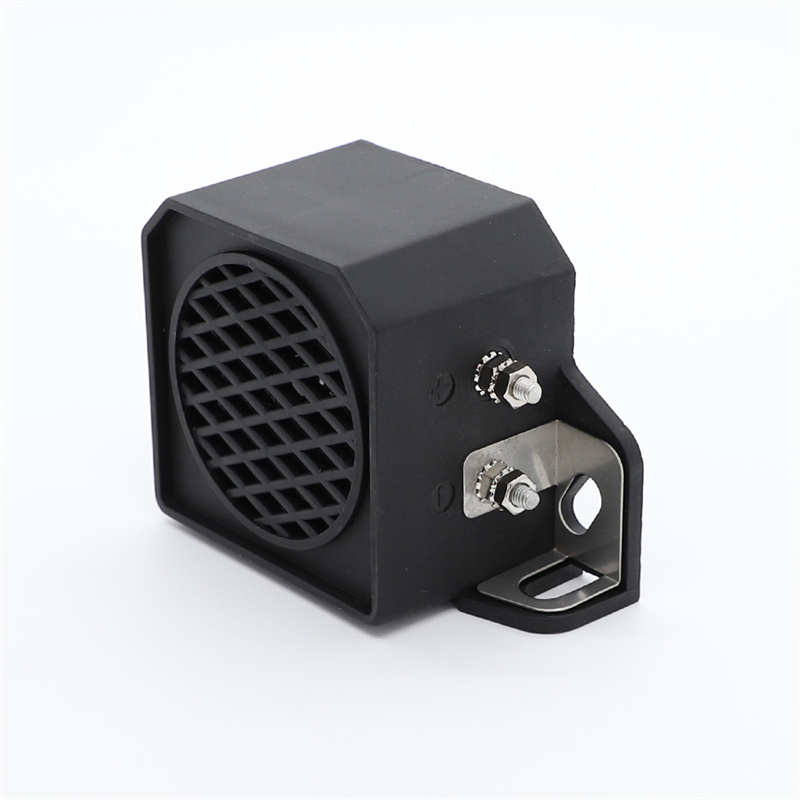
Backup alarms, also known as reverse alarms, are critical safety devices designed to alert nearby individuals when a vehicle is moving in reverse. These audible signals reduce the risk of accidents by warning pedestrians, cyclists, and other drivers of a vehicle’s backward motion, particularly in environments where visibility is limited or obstructed. While regulations vary by region and industry, certain types of vehicles are universally mandated to install backup alarms to comply with occupational safety standards, traffic laws, and public safety guidelines. This article explores the categories of vehicles required to have backup alarms, the rationale behind these requirements, and the evolving role of technology in enhancing reverse safety.
1.Industrial and Construction Vehicles
Vehicles operating in industrial or construction settings are among the most frequently required to use backup alarms. These environments often involve heavy machinery, noisy surroundings, and limited visibility, creating high-risk scenarios for collisions.
Forklifts: Used extensively in warehouses, factories, and loading docks, forklifts frequently maneuver in reverse to navigate tight spaces or load materials. Their compact size and proximity to workers make backup alarms essential.
Bulldozers and Excavators: Operating in construction zones, these vehicles often reverse over uneven terrain or near obstacles. Backup alarms ensure workers and bystanders are aware of their movements, even in chaotic work sites.
Dump Trucks: Reversing to unload materials, dump trucks pose a threat to nearby personnel, especially in quarries or roadwork zones. Backup alarms are mandatory to prevent accidental injuries.
Regulatory bodies such as the Occupational Safety and Health Administration (OSHA) in the United States and similar organizations worldwide enforce strict guidelines requiring backup alarms on such vehicles. The alarms must produce a continuous sound of at least 67 decibels (dB) to ensure audibility over ambient noise.
2.Commercial Trucks and Delivery Vehicles
Large commercial trucks, including semi-trailers and delivery vans, are often required to have backup alarms due to their size and blind spots. Reversing these vehicles in urban or residential areas can endanger pedestrians, cyclists, and other road users.
Semi-Trailers: The extended length of these trucks creates significant blind spots, making it difficult for drivers to detect obstacles or people behind them. Backup alarms are critical in logistics hubs, distribution centers, and public roads.
Garbage Trucks: Operating in neighborhoods, these vehicles frequently stop and reverse to collect waste. Backup alarms alert residents and children playing nearby, reducing the risk of accidents.
Public Transit Buses: While not always mandatory, many transit agencies equip buses with backup alarms to enhance safety in depots or when reversing into bus stops.
In the European Union, directives such as the Machinery Directive 2006/42/EC emphasize the need for audible warnings on commercial vehicles operating in shared spaces. Similarly, the U.S. Federal Motor Carrier Safety Administration (FMCSA) recommends backup alarms for trucks over 10,000 pounds.

3.Agricultural Machinery
Farm vehicles, though often exempt from road safety regulations, are required to have backup alarms when used in shared or public environments.
Tractors and Combines: These vehicles frequently reverse during fieldwork or when navigating farm roads. Backup alarms protect farmworkers and livestock from accidental collisions.
Sprayers and Harvesters: Operating near residential areas or during community events, agricultural machinery with backup alarms minimizes risks to bystanders.
Countries like Canada and Australia enforce guidelines through agricultural safety authorities, mandating backup alarms on vehicles used in collaborative settings.
4.Emergency and Municipal Vehicles
Certain emergency and municipal vehicles are equipped with backup alarms to ensure public safety during operations.
Fire Trucks: Reversing into tight spaces at incident scenes, fire trucks use backup alarms to alert crews and civilians.
Street Sweepers and Snowplows: These vehicles often operate early in the morning or in low-visibility conditions, where backup alarms prevent collisions with pedestrians or parked cars.
While not universally mandated, many municipalities adopt backup alarms as part of their fleet safety protocols.
5.Passenger Vehicles: Exceptions and Emerging Trends
Passenger cars and light trucks are typically exempt from backup alarm requirements, as their smaller size and improved rearview visibility reduce collision risks. However, exceptions exist:
Vehicles for People with Disabilities: Modified vans or cars with limited mobility access may require backup alarms to protect caregivers or assistants.
Campus Shuttles and Low-Speed Vehicles: Operating in pedestrian-heavy areas like university campuses, these vehicles often adopt backup alarms voluntarily.
Additionally, advancements in technology are influencing regulations. For example, the U.S. National Highway Traffic Safety Administration (NHTSA) has proposed integrating automatic emergency braking (AEB) systems with audible alerts, potentially reducing the need for traditional backup alarms in passenger vehicles.
The Role of Backup Alarms in Modern Safety
Backup alarms remain a cornerstone of vehicle safety, particularly in industrial and commercial sectors. Their effectiveness hinges on proper installation, maintenance, and adherence to decibel standards. However, challenges persist:
Noise Pollution: In residential areas, backup alarms can cause disturbances, leading some regions to explore quieter alternatives like white-noise alarms or directional sound systems.
Technological Integration: Camera systems and sensors are supplementing—but not replacing—backup alarms, as audible signals provide immediate, universal warnings.
Conclusion
Backup alarms are indispensable tools for preventing reverse-motion accidents across diverse vehicle categories. From industrial machinery to municipal fleets, their mandated use reflects a commitment to protecting workers, pedestrians, and communities. While passenger vehicles remain largely exempt, emerging technologies and evolving safety standards may redefine the role of backup alarms in the future. For now, ensuring compliance with existing regulations—and prioritizing the maintenance of these devices—is essential to upholding public safety. As vehicles become larger, faster, and more autonomous, the backup alarm will continue to serve as a critical line of defense against avoidable collisions, reinforcing its status as a non-negotiable feature in high-risk environments.
I want to comment


Recent News
1.What are the specific applications of white noise backup alarms
2023-07-112.What is a white noise backup alarm
2024-05-143.Why white noise backup alarm
2024-07-194.How loud should a white noise backup alarm be
2024-10-225.how to disable backup alarm
2025-06-176.How to disconnect backup alarm
2025-08-19





View More(Total0)Comment lists