


What should importers check before buying car back up alarm products
 Nov 19, 2026|
 View:9
Introduction
For global importers who source safety components for commercial fleets, construction vehicles, logistics trucks, and passenger car aftermarket markets, the car back up alarm is one of the most cost-effective and high-impact safety devices that directly reduces workplace and public road collision risks. Every year, thousands of preventable reversing accidents are linked to missing, damaged, or non-compliant car back up alarm systems that fail to alert pedestrians and nearby workers in time. As regulatory standards for vehicle safety become stricter across North America, Europe, Australia, and many emerging industrial markets, choosing a reliable car back up alarm supplier and verifying every critical performance detail before placing a bulk order has become a core priority for importers who want to avoid product returns, customs delays, liability claims, and reputational damage. A substandard car back up alarm does not just fail to deliver on its basic safety promise; it can also expose the importer to costly legal penalties, rejected shipments, and long-term loss of trust from their B2B clients in the automotive, construction, and logistics sectors. This guide breaks down every essential check that importers must complete before finalizing a purchase of car back up alarm products, covering technical performance, regulatory compliance, manufacturing consistency, environmental durability, and after-sales support to ensure every unit that leaves the factory meets the highest safety and quality benchmarks.
1.Regulatory and Certification Compliance for Car Back Up Alarm Products
The first non-negotiable step for any importer sourcing car back up alarm products is to confirm full alignment with all mandatory regional safety and noise regulations that apply in their target market. Different countries and regions have very specific rules governing the sound output, frequency range, activation logic, and installation requirements for a car back up alarm, and skipping this verification step will almost certainly lead to shipments being detained at customs, rejected by local authorities, or removed from sale by market regulators. For example, in the United States, OSHA and FMVSS standards set clear requirements for the sound pressure level of a car back up alarm used on heavy commercial vehicles, specifying that the alarm must produce a distinct, audible warning that is detectable at a defined distance without causing unnecessary noise pollution that violates local environmental rules. In the European Union, a car back up alarm must meet CE marking requirements under the relevant machinery and vehicle safety directives, with documented test reports that prove the product does not interfere with other vehicle electronic systems and does not emit harmful electromagnetic radiation. Many importers make the mistake of assuming that a generic car back up alarm will work in all markets, only to discover at the port that the decibel level is either too low to meet local workplace safety laws or too high to comply with urban noise control regulations. Importers must also verify that every test certificate provided by the car back up alarm manufacturer is issued by a recognized, third-party testing laboratory, not generated in-house without independent validation. They should cross-check the certificate number with the issuing body to confirm it has not expired, been altered, or been issued for a different product model. A compliant car back up alarm will clearly display all required certification marks on its housing, packaging, and user manual, so that end users, vehicle inspectors, and regulatory auditors can immediately confirm the product meets legal requirements. This level of compliance verification is not just a formality; it is the foundation that allows an importer to distribute car back up alarm products without facing unexpected legal or commercial risks.
2.Core Performance Specifications of the Car Back Up Alarm
After confirming regulatory compliance, importers must dive deep into the core technical performance specifications of the car back up alarm to ensure the product delivers consistent, reliable warning performance in every real-world operating scenario. The most fundamental specification for any car back up alarm is its sound output performance, which includes the exact decibel range, frequency spectrum, and sound pattern. A high-quality car back up alarm is designed to produce a distinct, attention-grabbing alert that stands out from typical workplace and road background noise, such as engine rumble, construction site activity, or warehouse operational sounds, without being so piercing that it causes hearing discomfort for nearby workers or drivers. Many low-cost car back up alarm units on the market use cheap speaker components that produce an uneven sound output, where the decibel level drops sharply in certain weather conditions or after several months of use, making the warning far less effective. Importers should request full performance test data that shows how the car back up alarm’s sound output varies across different operating voltages, since vehicles can experience voltage fluctuations during startup, heavy load operation, or extreme temperature conditions. Another critical performance feature to check is the activation logic of the car back up alarm: a well-designed car back up alarm will activate immediately when the vehicle is shifted into reverse, without any delay that could create a dangerous gap between the vehicle starting to move backward and the warning being heard. Importers should also verify that the car back up alarm does not produce false alarms triggered by unrelated vehicle vibrations, electrical interference, or gear shifts into other positions, as frequent false alerts will cause workers and pedestrians to ignore the alarm entirely, defeating its entire safety purpose. Additional performance checks include testing the alarm’s ability to operate continuously for extended periods without overheating or distorting its sound, confirming that it works equally well for small passenger cars, medium delivery vans, and heavy construction vehicles, and ensuring that the sound pattern is standardized so that anyone who hears the car back up alarm immediately recognizes it as a reversing warning, no matter where they are in the world.
3.Material Quality and Environmental Durability of the Car Back Up Alarm
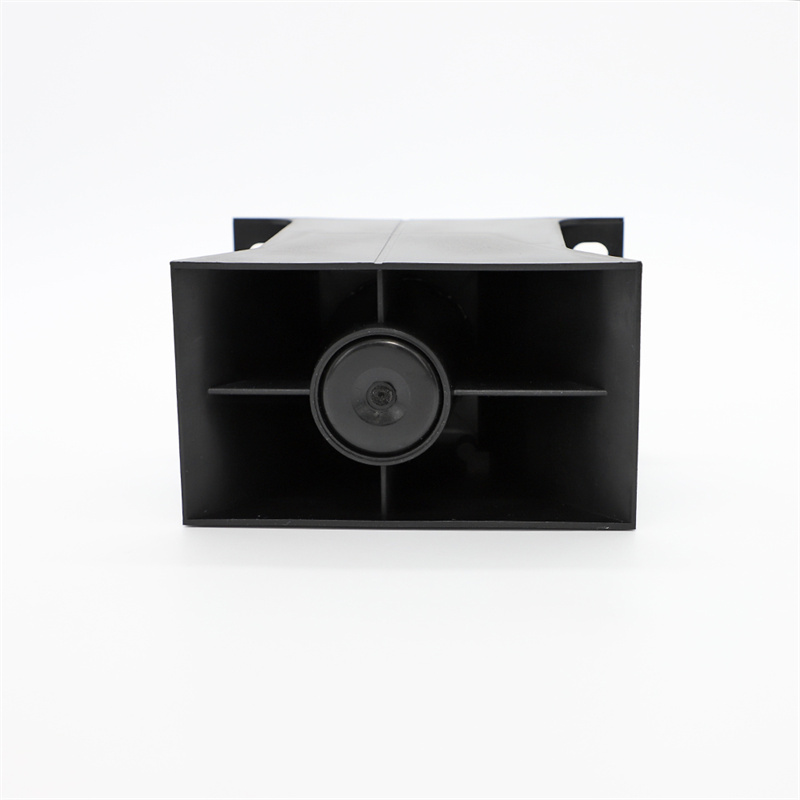
A car back up alarm is almost always installed on the exterior of a vehicle, where it is exposed to constant harsh environmental conditions that can quickly degrade low-quality components and cause the product to fail long before the end of its expected service life. Importers must carefully inspect the material quality and environmental durability testing records for every car back up alarm model they plan to purchase, because a car back up alarm that stops working after a few months of exposure to rain, dust, extreme heat, or road salt creates a major safety hazard for end users. The outer housing of a reliable car back up alarm should be made from high-impact, UV-stabilized engineering plastic or corrosion-resistant metal alloy that can withstand repeated impacts from road debris, flying gravel, and minor vehicle bumps without cracking or breaking. The ingress protection (IP) rating of the car back up alarm is another critical detail to verify: most heavy-duty applications require a car back up alarm with an IP67 or equivalent rating, which means it is fully protected against dust ingress and can resist temporary immersion in water, making it suitable for use in heavy rain, car washes, and muddy construction site environments. Importers should ask the supplier to provide full environmental test reports that document how the car back up alarm performs after being subjected to temperature cycling between -40°C and +85°C, salt spray testing for hundreds of hours, UV exposure equivalent to several years of direct sunlight, and continuous vibration testing that simulates thousands of kilometers of driving on rough roads. Many cheap car back up alarm products use thin, low-grade plastic that becomes brittle after a few months of exposure to sunlight, or use unprotected internal wiring that corrodes quickly when exposed to moisture, leading to complete product failure with no prior warning. A durable car back up alarm will also feature sealed internal connections and a fully potted electronic circuit board that prevents moisture, dust, and vibration from damaging the sensitive components that control the alarm’s sound output and activation logic. When importers prioritize material quality and environmental durability for their car back up alarm purchases, they can drastically reduce product failure rates, cut down on after-sales complaints, and deliver a safety product that end users can trust to work reliably in the toughest operating conditions.
4.Manufacturing Consistency and Quality Control Processes for Car Back Up Alarm
Even the best-designed car back up alarm will fail to meet customer expectations if the manufacturer does not maintain strict, consistent quality control across every step of the production process. Importers must conduct a thorough review of the car back up alarm supplier’s manufacturing facility, quality management system, and batch testing procedures to ensure that every unit in a large bulk order meets exactly the same performance standards as the initial sample they tested. A reputable car back up alarm manufacturer will operate under a certified ISO 9001 quality management system, with documented standard operating procedures that cover every stage of production, from incoming raw material inspection to final functional testing of every finished unit. Before any components are assembled, the supplier should test every batch of speaker drivers, electronic chips, housing materials, and wiring harnesses to confirm they meet the required specifications for the car back up alarm, rejecting any substandard parts that could compromise product performance. During assembly, each car back up alarm should go through multiple in-line quality checks, where production staff verify that all internal connections are secure, the circuit board is properly potted, and the housing is fully sealed before the unit moves to the next production station. The most critical quality control step for any car back up alarm is the 100% final functional test, where every single finished unit is connected to a test power supply and placed in a sound-measuring chamber to confirm that its decibel level, frequency, activation speed, and sound pattern all fall within the exact pre-defined tolerances. Many low-tier car back up alarm suppliers only test 1% or 2% of their finished units, leading to bulk orders where 10% or more of the car back up alarm products have inconsistent sound output, loose internal connections, or other hidden defects that only appear after the product has been installed on a vehicle. Importers should also ask the supplier to provide batch traceability records, so that if a quality issue is ever identified in a specific group of car back up alarm units, the importer can quickly identify which shipments are affected and take targeted corrective action without needing to recall their entire inventory. Strong manufacturing consistency and rigorous quality control are the only ways to ensure that every car back up alarm that leaves the factory delivers the same level of safety and reliability that importers and their clients expect.
5.Customization, Packaging, and After-Sales Support for Car Back Up Alarm
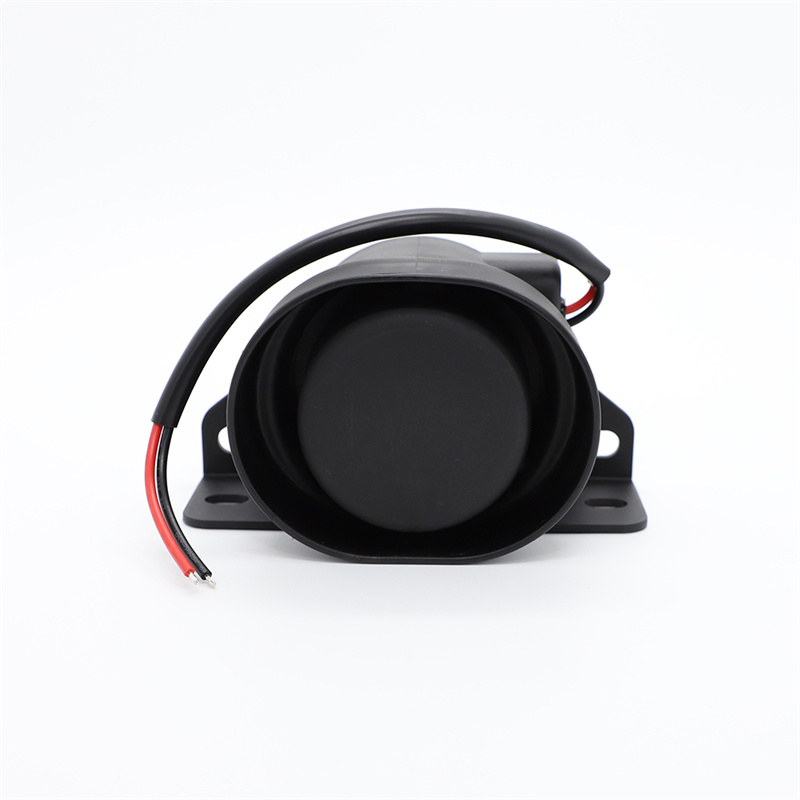
Beyond core product performance and quality, importers also need to evaluate the supplier’s ability to support customization, provide clear, user-friendly packaging, and deliver reliable after-sales services for their car back up alarm product line. Many B2B clients in the vehicle fleet management, automotive modification, and industrial equipment sectors have very specific requirements for their car back up alarm products, including custom decibel levels, custom wire lengths, specialized mounting brackets, or custom branding printed on the alarm housing. A flexible car back up alarm supplier that can accommodate these reasonable customization requests at a reasonable minimum order quantity will help the importer differentiate their product offering in a competitive market and serve a wider range of niche customer segments. Packaging is another often-overlooked detail that has a major impact on the customer experience: a high-quality car back up alarm will come in robust, damage-resistant packaging that protects the unit from impact during international shipping, with clear multilingual user manuals that provide step-by-step installation instructions, wiring diagrams, troubleshooting guidance, and all relevant safety warnings. Poorly designed packaging can lead to a significant number of car back up alarm units arriving at the importer’s warehouse with cracked housings or damaged internal components, and unclear installation instructions can lead to end users wiring the car back up alarm incorrectly, causing it to malfunction or fail entirely. Importers must also confirm that the supplier provides a clear, industry-standard warranty period for every car back up alarm, typically ranging from 12 to 24 months from the date of delivery, and that they have a clear process for handling warranty claims, replacing defective units, and providing technical support when the importer’s team encounters installation or product performance questions. A reliable car back up alarm supplier will also maintain a consistent spare parts inventory and be able to support repeat orders with short lead times, so that the importer never faces stock shortages that force their clients to delay vehicle safety upgrades or fleet maintenance projects. When an importer chooses a car back up alarm supplier that offers strong customization capabilities, professional packaging, and responsive after-sales support, they can build a much more resilient, customer-centric product line that stands out from generic, low-cost alternatives in the global market.
Conclusion
Every check that an importer completes before buying a car back up alarm plays a critical role in ensuring that the final product delivers on its core promise of protecting drivers, pedestrians, and workplace personnel from preventable reversing accidents. A carefully vetted car back up alarm does not just meet all regional regulatory standards and pass every technical performance test; it also maintains consistent, reliable operation even after years of exposure to harsh weather, heavy vibration, and daily heavy-duty use. By taking the time to verify certification compliance, test core sound performance, inspect material durability, audit manufacturing quality control, and confirm full after-sales support, importers can avoid the costly risks that come with sourcing unvetted low-cost car back up alarm products, while building a reputation as a trusted supplier of high-quality safety components for their global B2B clients. In the end, the most valuable investment any importer can make in their car back up alarm product line is to prioritize safety, consistency, and long-term reliability over short-term cost savings, because every properly functioning car back up alarm on the road is a small but essential safeguard that prevents accidents, saves lives, and creates lasting value for everyone in the vehicle supply chain.
FAQ
Q: What is the standard working voltage range for a typical car back up alarm, and can it fit both light passenger vehicles and heavy construction trucks?
A: Most high-quality car back up alarm models are designed with a wide 12V to 24V universal input range, and premium heavy-duty car back up alarm variants can even cover 12V to 36V, making them fully compatible with sedans, delivery vans, engineering vehicles, forklifts and large mining trucks without additional voltage converters.
Q: How long is the typical service life of an industrial-grade car back up alarm under daily heavy-duty operating conditions?
A: A well-manufactured car back up alarm with potted circuit boards and IP67 ingress protection can deliver 3 to 5 years of continuous reliable performance, even when exposed to frequent rain, road salt, extreme temperature fluctuations and constant vehicle vibration on construction sites or logistics yards.
Q: Can a car back up alarm be installed directly by regular fleet maintenance staff without professional technical training?
A: Yes, most standard car back up alarm products come with pre-wired harnesses, universal mounting brackets and illustrated step-by-step manuals, so maintenance personnel can complete the full wiring and installation process in 10 to 15 minutes by connecting the alarm directly to the vehicle's reverse gear power signal.
Q: What should importers do when a car back up alarm triggers false alarms for no obvious reason after installation?
A: First, check if the car back up alarm speaker opening is covered by dust, mud or ice; second, confirm the wiring is kept away from high-voltage vehicle cables that may cause electromagnetic interference; finally verify the installation angle is not tilted sharply toward the ground, which will prevent 98% of common false alarm issues for a properly manufactured car back up alarm.
Q: What is the standard warranty period for bulk ordered car back up alarm products, and what after-sales support can importers expect?
A: Regular suppliers typically offer a 12-month full warranty for every car back up alarm unit, covering non-human damage such as circuit failure or sound output deviation; qualified suppliers can also provide 2-hour remote technical response, free replacement for defective batches and dedicated troubleshooting guidance to support importers' local after-sales operations.





View More(Total0)Comment lists