





What is a reverse buzzer
 Mar 18, 2026|
 View:982
In the realm of vehicle safety and operational efficiency, the reverse buzzer stands as a critical component designed to enhance awareness and prevent accidents during reversing maneuvers. This device, also known as a reversing alarm or backup buzzer, emits an audible signal when a vehicle is in reverse gear, alerting pedestrians, workers, and other nearby individuals to the vehicle's movement. This article delves into the definition, working principles, types, applications, and technological advancements of reverse buzzers, providing a comprehensive understanding of their significance in modern transportation.
Definition and Basic Functionality
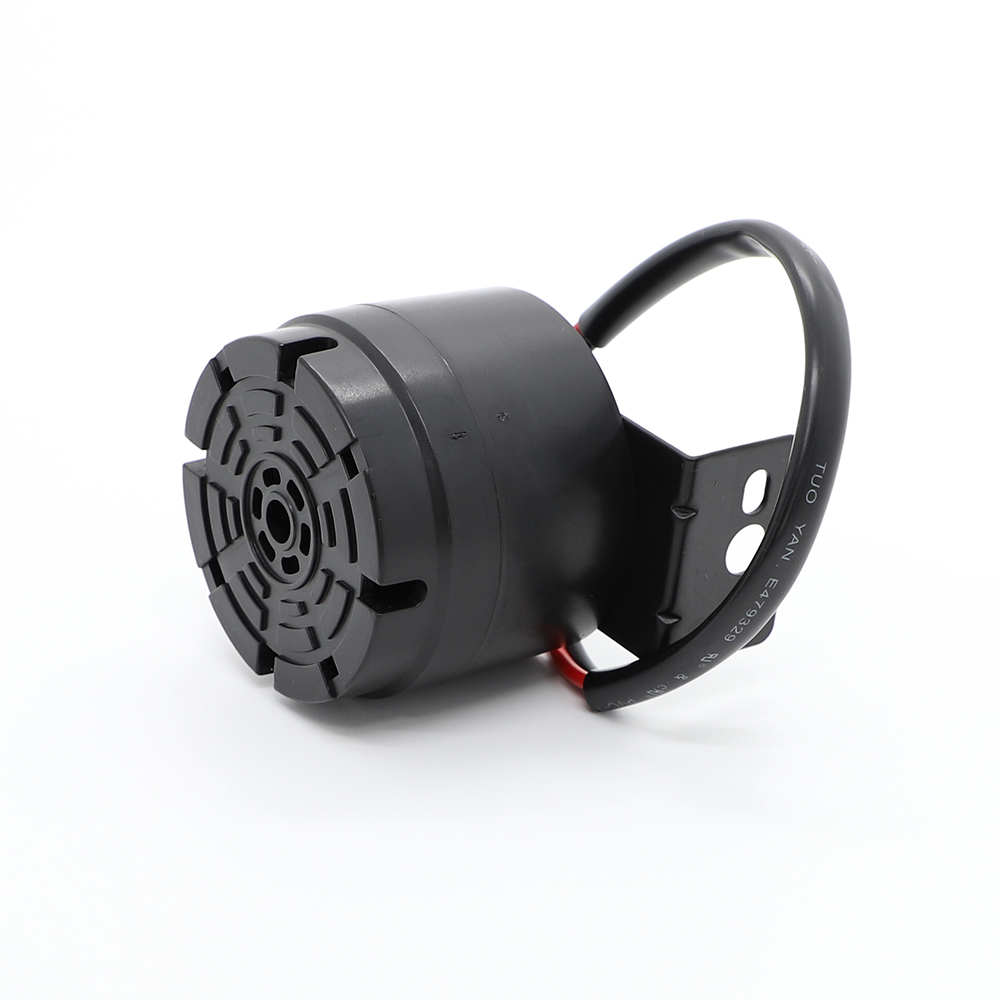
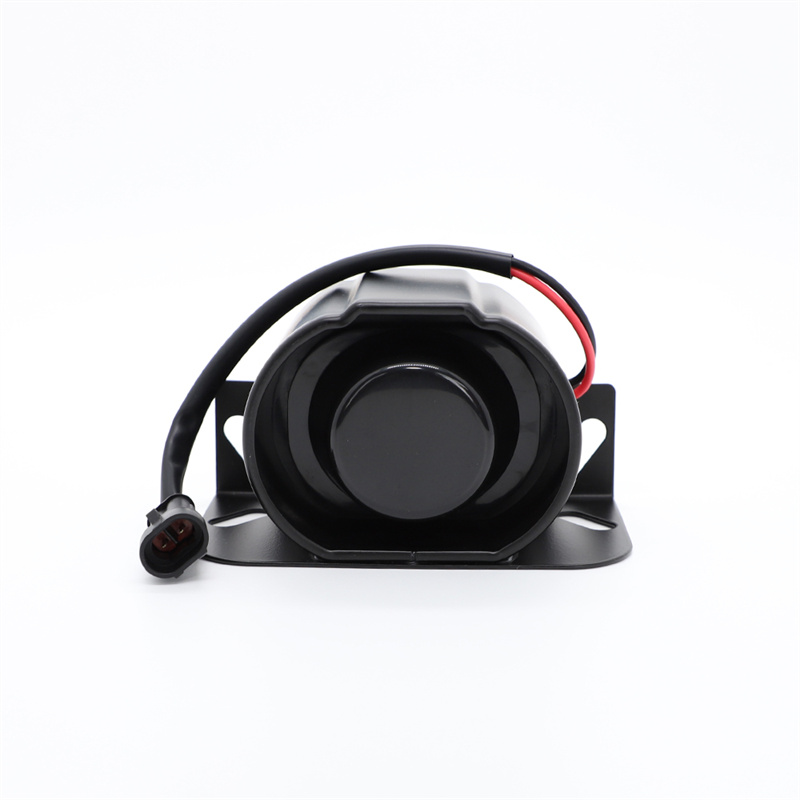
A reverse buzzer is an electromechanical or electronic device installed in vehicles to produce a distinct sound when the vehicle is shifted into reverse. Its primary function is to serve as a warning system, ensuring that those in the vicinity of the reversing vehicle are aware of its presence and can take appropriate action to avoid collisions. The sound emitted by a reverse buzzer is typically loud and attention-grabbing, designed to cut through ambient noise and clearly indicate the vehicle's direction of movement.
Working Principles
The operational mechanism of a reverse buzzer can be broadly categorized into two types: electromechanical and electronic.
Electromechanical Reverse Buzzers
Electromechanical reverse buzzers utilize an electromagnetic coil and a movable diaphragm to generate sound. When the vehicle is placed in reverse gear, an electrical signal is sent to the buzzer, activating the electromagnetic coil. This coil creates a magnetic field that attracts and repels a metal diaphragm, causing it to vibrate rapidly. The vibration of the diaphragm produces sound waves, which are amplified and projected through an acoustic horn or speaker, creating the characteristic beep or siren sound associated with reversing alarms.
Electronic Reverse Buzzers
Electronic reverse buzzers, on the other hand, rely on solid-state electronics to produce sound. These buzzers often incorporate piezoelectric elements or small speakers driven by an integrated circuit (IC). When the reverse gear is engaged, the IC generates an electrical signal that causes the piezoelectric element to deform or the speaker cone to vibrate, producing sound. Electronic reverse buzzers offer greater flexibility in terms of sound design, allowing for the customization of tones, frequencies, and patterns to suit specific applications and environments.
Types of Reverse Buzzers
Reverse buzzers come in various types, each tailored to meet specific requirements and preferences. Some of the most common types include:
1.Continuous Tone Reverse Buzzers: These buzzers emit a steady, uninterrupted tone when the vehicle is in reverse. They are effective in providing a clear and persistent warning signal, making them suitable for high-traffic areas or environments with significant ambient noise.
2.Intermittent Tone Reverse Bzzers: Intermittent tone reverse buzzers produce a repeating "beep-beep" or pulsed sound pattern. This type of buzzer is energy-efficient due to duty cycling and is less intrusive than continuous tones, making it ideal for applications where non-urgent status updates are sufficient.
3.Voice Alert Reverse Buzzers: Some advanced reverse buzzers incorporate voice alert capabilities, emitting pre-recorded messages or voice prompts when the vehicle is reversing. These messages can be customized to include specific instructions or warnings, enhancing the effectiveness of the warning system.
4.Multi-Tone Reverse Buzzers: Multi-tone reverse buzzers are capable of producing multiple tones or melodies, allowing for greater differentiation between vehicles or warning signals. This type of buzzer is useful in complex environments where multiple vehicles are operating simultaneously.

Applications of Reverse Buzzers
Reverse buzzers find widespread application across various industries and vehicle types, including:
1.Construction and Industrial Vehicles: Forklifts, excavators, bulldozers, and other heavy machinery used in construction sites and industrial facilities are often equipped with reverse buzzers to alert workers and pedestrians of their movement, reducing the risk of accidents and injuries.
2.Commercial Trucks and Buses: Large commercial vehicles, such as trucks and buses, utilize reverse buzzers to enhance safety during reversing maneuvers, especially in tight spaces or low-visibility conditions.
3.Agricultural Equipment: Tractors, harvesters, and other agricultural machinery are fitted with reverse buzzers to warn farmworkers and animals of their presence, preventing collisions and ensuring smooth operation.
4.Golf Carts and Utility Vehicles: Golf carts and utility vehicles used in recreational areas, resorts, and campuses often incorporate reverse buzzers to alert pedestrians and other vehicle operators of their movement, enhancing overall safety.
5.Marine Vessels: Some marine vessels, particularly those used in harbors or docking areas, are equipped with reverse buzzers to warn nearby boats and personnel of their reversing maneuvers, preventing collisions and ensuring safe navigation.
Technological Advancements
With advancements in technology, reverse buzzers have evolved to incorporate innovative features and capabilities, enhancing their effectiveness and versatility. Some notable technological advancements include:
1.Wireless Connectivity: Modern reverse buzzers can be integrated with wireless communication systems, allowing for remote monitoring and control. This feature enables operators to adjust the volume, tone, or pattern of the buzzer from a distance, improving flexibility and convenience.
2.Intelligent Sensing: Some reverse buzzers incorporate intelligent sensing technologies, such as ultrasonic or infrared sensors, to detect obstacles or pedestrians in the vehicle's path. When an obstacle is detected, the buzzer can automatically adjust its sound output or emit a distinct warning signal, providing an additional layer of safety.
3.Customization Options: Manufacturers now offer a wide range of customization options for reverse buzzers, including the ability to record custom voice messages, select specific tones or melodies, and adjust the volume and frequency to suit specific environments and applications.
4.Durability and Reliability: Advances in materials science and manufacturing processes have led to the development of more durable and reliable reverse buzzers. These devices are designed to withstand harsh environmental conditions, including extreme temperatures, moisture, and vibrations, ensuring consistent performance over extended periods.
Conclusion
The reverse buzzer is an indispensable safety device that plays a crucial role in preventing accidents and enhancing operational efficiency in various industries and vehicle types. By emitting a distinct and attention-grabbing sound when a vehicle is in reverse, the reverse buzzer alerts pedestrians, workers, and other nearby individuals to the vehicle's movement, allowing them to take appropriate action to avoid collisions. With advancements in technology, reverse buzzers have evolved to incorporate innovative features and capabilities, further enhancing their effectiveness and versatility. As vehicles continue to become more complex and autonomous, the importance of the reverse buzzer as a critical safety component will only continue to grow, ensuring that the reverse buzzer remains an integral part of vehicle safety systems for years to come.







View More(Total0)Comment lists