





How to turn off backup alarm
 Apr 16, 2026|
 View:814
The backup alarm is a critical safety feature in vehicles and machinery, designed to alert nearby individuals when a vehicle is operating in reverse. While essential in industrial settings, construction sites, and large vehicles like forklifts or trucks, these alarms can sometimes become a nuisance—especially in residential areas, quiet workplaces, or during non-operational hours. Turning off a backup alarm without proper authorization may violate safety regulations or local laws, but there are legitimate scenarios where adjusting or disabling the alarm is necessary. This guide explores how to safely and legally turn off a backup alarm, the precautions to take, and alternative solutions to minimize disruptions.
Part 1: How to Turn Off a Backup Alarm
Disabling a backup alarm depends on the type of vehicle or equipment and its alarm system. Below are step-by-step methods for common scenarios:
1.Vehicle-Specific Methods
Forklifts and Industrial Machinery:
Many forklifts and heavy machinery have a manual switch to disable the backup alarm. Locate the alarm control panel, often near the dashboard or under the seat. Flip the switch to the "off" position. If unavailable, consult the operator’s manual for instructions on disconnecting the alarm’s power source (e.g., unplugging a wire harness).
Example: On a Toyota forklift, the backup alarm switch may be labeled "Beeper" or "Reverse Alarm." Toggle it to silence the sound.
Consumer Vehicles (Trucks, SUVs):
Most consumer vehicles do not have a built-in switch to disable the backup alarm, as it is tied to the reverse gear sensor. However, some aftermarket alarm systems may include a mute function. Access the alarm settings via the vehicle’s infotainment system or use a key fob combination (e.g., holding the "lock" and "unlock" buttons simultaneously).
Note: Tampering with factory-installed alarms may void warranties or violate emissions regulations.
Aftermarket Backup Alarms:
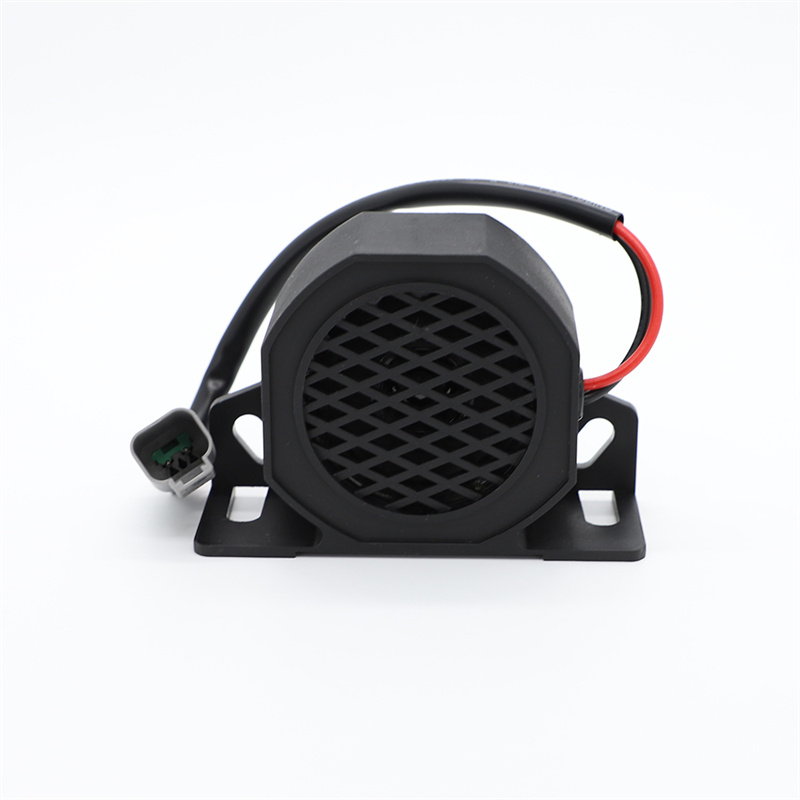
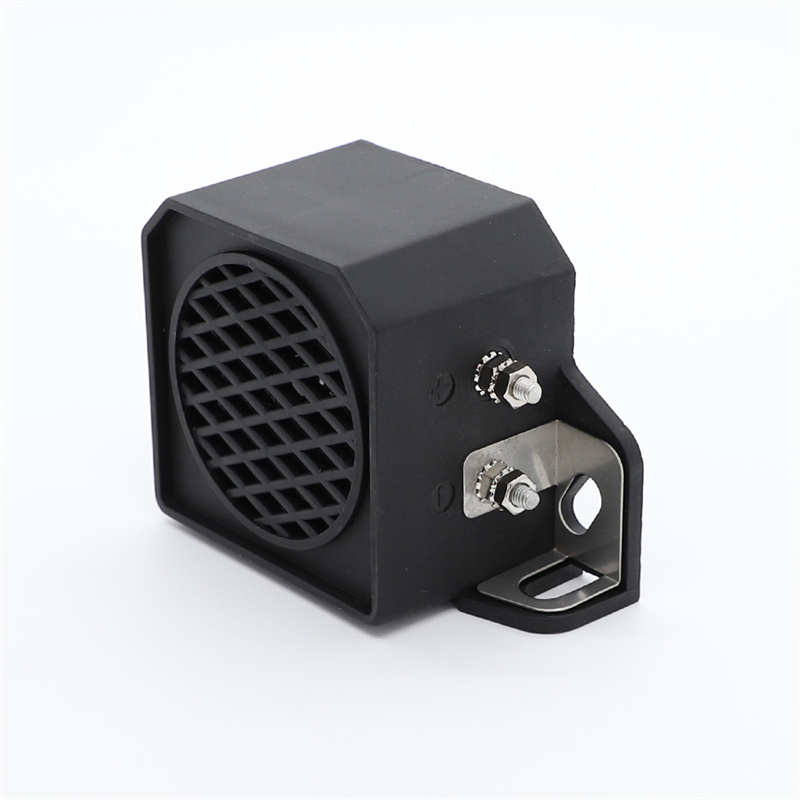
If the alarm was added post-purchase, locate its power supply (often fused or wired to the reverse light circuit). Disconnect the positive wire or remove the fuse to deactivate it. Label the wire for future reconnection if needed.
2.Temporary Solutions
Mute the Alarm: Some alarms have a volume control or temporary mute button. Press and hold the button (if equipped) to silence it for a single reverse cycle.
Use a Relay or Switch: Install an inline switch or relay to interrupt the alarm’s circuit when needed. This allows manual control without permanent disabling.
Adjust Sensitivity: For alarms triggered by motion sensors (e.g., in RVs), recalibrate the sensitivity settings to reduce false activations.
3.Professional Assistance
If unsure, consult a mechanic or authorized dealer. They can:
Diagnose faulty alarms causing unnecessary activation.
Reprogram or replace the alarm system to comply with regulations.
Ensure modifications do not affect other vehicle functions.

Part 2: Key Considerations Before Turning Off a Backup Alarm
Disabling a backup alarm carries risks and legal implications. Address these factors first:
1.Safety Regulations
OSHA Compliance: In the U.S., the Occupational Safety and Health Administration (OSHA) requires backup alarms on industrial vehicles operating near pedestrians. Disabling them without approval can result in fines.
Local Laws: Many cities and municipalities mandate backup alarms in residential zones during specific hours. Check local noise ordinances before making changes.
Insurance Implications: Modifying safety features may void insurance coverage in case of accidents.
2.Alternative Safety Measures
If the alarm is disruptive, consider alternatives:
White Noise Machines: Mask the sound in affected areas.
Scheduled Operations: Limit reverse maneuvers to daylight hours or when fewer people are present.
Visual Alerts: Install backup cameras or flashing lights to replace auditory warnings.
3.Permanent vs. Temporary Disabling
Temporary Disable: Use a switch or relay for short-term needs (e.g., nighttime deliveries).
Permanent Disable: Only recommended if the vehicle is used in a controlled environment (e.g., private property) where pedestrians are absent.
4.Documentation
If required by law, document the reason for disabling the alarm (e.g., medical necessity, low-traffic area) and keep records for regulatory inspections.
Part 3: Conclusion
The backup alarm is a vital tool for preventing accidents, but its incessant sound can create challenges in certain settings. Turning off a backup alarm requires careful evaluation of safety, legality, and practicality. Always prioritize compliance with OSHA standards and local laws, and explore alternatives like visual alerts or operational adjustments before permanent modifications. If disabling is unavoidable, use temporary methods or professional services to minimize risks.
Ultimately, the goal is to balance safety and convenience. By understanding the mechanisms of your backup alarm and weighing the consequences of disabling it, you can make an informed decision that protects both people and peace of mind. Whether you’re managing a fleet of forklifts or a single truck, responsible alarm management ensures compliance and community harmony.







View More(Total0)Comment lists