


What makes a durable reverse buzzer suitable for outdoor environments
 Nov 23, 2026|
 View:16
Weather resistance, mechanical durability, and regulatory compliance form the three pillars of outdoor suitability. A reverse buzzer mounted on a vehicle faces rain, dust, temperature swings, direct sunlight, constant vibration, and routine washdowns. Each threat attacks a different part of the device, so a single weak point can silence the alarm.
Buyers should judge a unit by its IP rating, operating temperature range, UV stability, corrosion protection, shock and vibration tolerance, compliance marks, and installation design. These specifications reveal how the product behaves after years of exposure. The sections below explain why each feature matters for long service life.
Key Takeaways
Check the IP rating to keep water and dust out.
Choose a wide temperature range for cold and heat.
Look for UV-stable materials to prevent sun damage.
Pick shock-resistant and corrosion-resistant designs.
Confirm compliance marks and consider total cost.
Weatherproof Sealing and IP Ratings
Reading the IP Code
The IP code comes from IEC 60529, an international standard for enclosure protection. Two digits follow the letters "IP." The first digit rates protection against solid objects, such as dust and grit. The second digit rates protection against water. A higher number means tighter protection in that category.
For outdoor vehicle use, the second digit deserves close attention. Reverse buzzers face rain, spray from wet roads, and pressure washing. A unit with a low water rating lets moisture reach the internal electronics. Buyers should match the second digit to the harshest cleaning method the vehicle receives, not the mildest condition it meets.
The first digit matters on construction sites and farm fields. Dust clouds surround excavators and bulldozers all day. Fine particles work into every gap. A dust-tight rating keeps that grit away from the sound chamber and the circuit board.
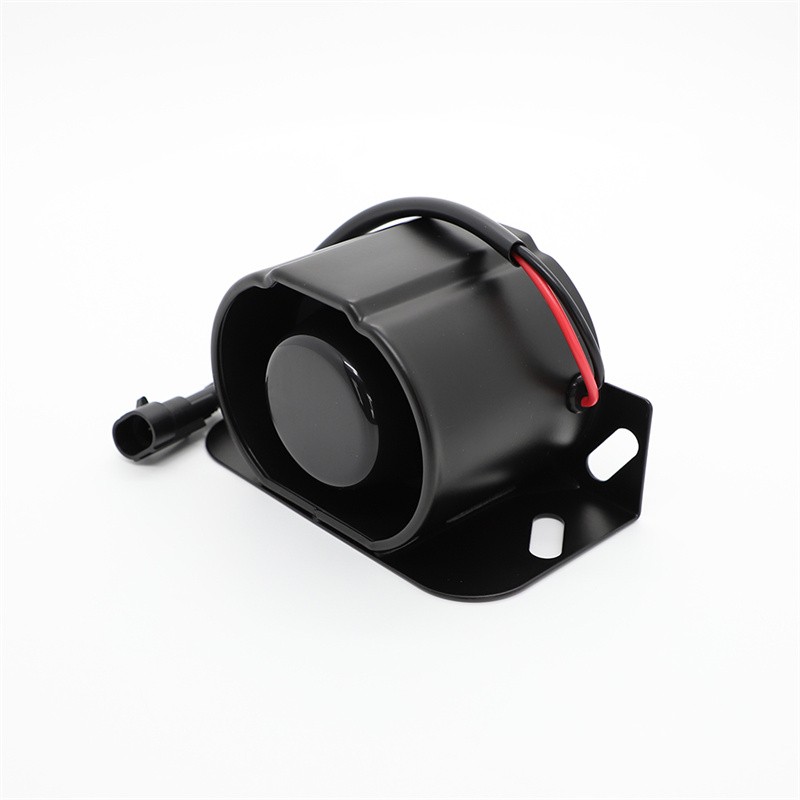
Why Moisture and Dust Fail Buzzers
Water and dust attack a buzzer in slow, predictable ways. Moisture enters through seams, wire exits, and the sound opening. Once inside, water triggers corrosion on metal contacts and solder joints. Corrosion raises electrical resistance. The buzzer draws more current, sounds weaker, or stops altogether.
Water also causes short circuits. A thin film of moisture bridges traces on the circuit board. The unit may beep intermittently, crackle, or fall silent without warning. A silent reverse alarm removes the warning pedestrians depend on.
Dust brings its own failure modes. Particles collect on the diaphragm and change how it vibrates. The tone shifts, and the output level drops. Dust also blocks the sound port. A clogged port muffles the alarm even when the electronics work perfectly.
Combined exposure makes both problems worse. Dust absorbs moisture and holds it against metal surfaces. The trapped dampness accelerates corrosion. Repeated wet-dry cycles expand and contract trapped debris, which widens small gaps over time.
A weatherproof design blocks these paths at the source. Sealed housings, gasketed covers, and potted electronics keep water and particles away from sensitive parts. The result is stable sound output across seasons. A sealed unit also resists washdown routines without special handling.
Long service life follows directly from this protection. A buzzer that stays dry and clean avoids the corrosion, shorts, and sound loss that end the life of an unprotected unit. Buyers who check the IP rating before purchase choose a device built for years of outdoor duty, not months.
Temperature Extremes and UV Exposure
Operating Temperature Range
Outdoor vehicles work in freezing cold and blazing heat. A buzzer must start and sound at both ends of that range. Cold stiffens plastics and thickens lubricants inside moving parts. Heat softens housings and stresses electronic components. A wide operating range shows the device handles both extremes without failure.
The YS-B04A 12-36V 112dB reversing buzzer from Changzhou Wujin Yueda Electroacoustic Equipment Co., Ltd. illustrates this point. It operates from -40°C to 85°C. Within that range, it delivers 112±4 dBA at 4 feet, a frequency of 1240Hz±10%, and a maximum draw of 0.6A on 12 to 36 VDC. These figures let buyers confirm the unit suits cold storage yards, desert construction sites, and everything between. A narrow range forces buyers to guess, and a guess can leave a vehicle without a working alarm on the coldest morning of the year.
UV-Stable Housings and Lenses
Sunlight breaks down ordinary plastics. Ultraviolet radiation attacks polymer chains and leaves the surface chalky. Cheap housings yellow within a season or two. Cracks follow, and the cracks open paths for rain and dust. A lens that clouds or crazes dims any visual signal and weakens the housing around it.
UV-resistant materials slow this decay. Stabilized polymers hold their color and strength through years of direct sun. The housing keeps its seal, and the lens stays clear. Buyers should look for a stated UV rating or a material known for outdoor service. A unit built this way protects its internal parts long after a bargain model has cracked and failed.
Built Tough: Shock, Vibration, and Reverse Buzzer Durability
Shock and Vibration Resistance
Heavy-duty construction serves vehicles indoors and outdoors alike. A forklift in a warehouse hits the same jarring stops as a loader on a gravel pad. Buyers should treat shock and vibration tolerance as a core specification, not an afterthought.
Vibration from excavators, forklifts, and bulldozers works on a buzzer continuously. Engines idle with a steady hum. Tracks and tires send sharp jolts through the frame. Poorly built units loosen at the mounting points first. Screws back out, brackets crack, and the housing begins to rattle against its mount. Internal parts follow. Solder joints fatigue, the diaphragm shifts off center, and the tone turns harsh or drops out. A unit that passes a bench test can still fail after a season of daily pounding.
A sturdy reverse buzzer resists this cycle through solid mounting design. Reinforced brackets hold torque under repeated jolts. Locking hardware keeps fasteners in place. The housing stays rigid, so internal components keep their alignment. Buyers should check how the unit attaches and whether the mount suits the vehicle's vibration profile.
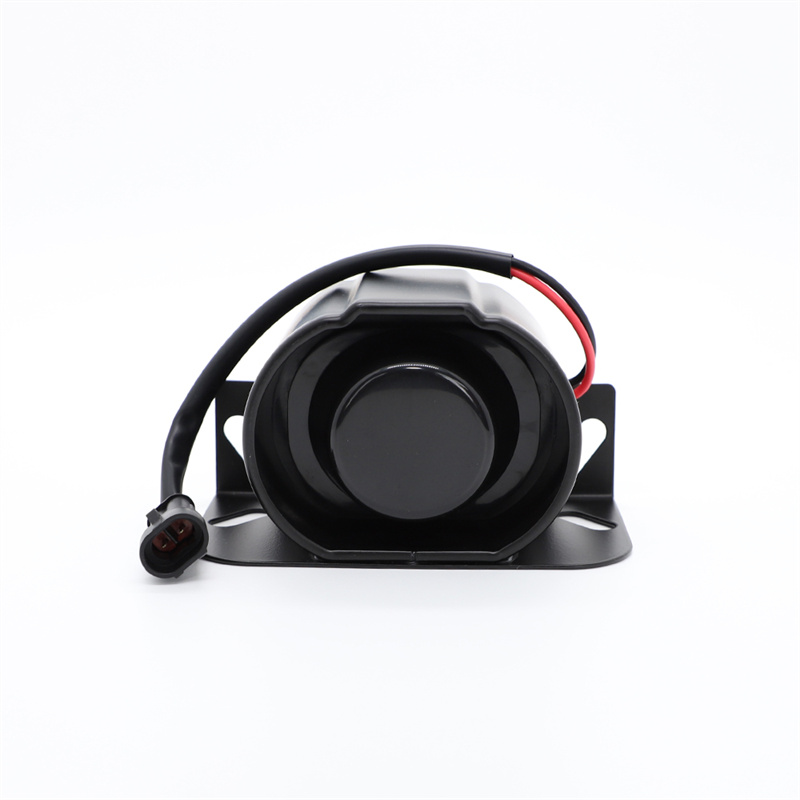
Corrosion-Resistant Materials
Rust weakens a device from the outside in. Mounting points and external connections face the worst exposure. Road spray, rain, and washdown water collect around brackets and wire exits. Plain steel rusts, flakes, and loses strength. A rusted bracket can shear off and drop the alarm onto the road.
Corrosion-resistant housings, brackets, and connectors stop this decline. Treated or non-corroding metals hold their shape through wet seasons. Sealed connectors keep moisture away from the wire terminals. Stainless or coated fasteners resist seizing, so technicians can remove the unit for service without stripping threads. These details protect the structural integrity of the alarm, not just its appearance.
The payoff shows up over years of service. A corroded mount fails suddenly. A protected mount holds its grip. Buyers who inspect materials at the bracket and connector level avoid the most common field failure of outdoor alarms.
Standards, Installation, and Cost
Compliance Marks for Outdoor Reverse Buzzers
Compliance marks tell buyers that an independent body has tested the product against a recognized standard. For outdoor reverse buzzers, three families of standards matter most. SAE J994 sets performance requirements for backup alarms on vehicles and equipment. IEC 60529 defines the IP code that rates sealing against dust and water. CE marking shows the unit meets applicable European directives for electrical safety and electromagnetic compatibility.
A durable unit should carry the marks that match its market. Fleet operators in North America look for SAE-tested alarms. Buyers serving European customers check for CE. Every buyer should confirm the IP rating on the label, because the enclosure protects the electronics from rain, dust, and washdown. These marks do not guarantee long life on their own. They do show that the manufacturer tested the product against published criteria instead of leaving durability to chance.
Hassle-Free Setup and Total Cost
A durable outdoor reverse buzzer should also install without fuss. Simple mounting, clear wiring instructions, and a wide voltage range reduce setup time. The YS-B04A accepts 12 to 36 VDC and draws a maximum of 0.6A, so one unit covers many vehicle types. Technicians spend less time matching parts to batteries and more time on the job.
Total cost of ownership favors this approach. A cheap unit fails early, and each failure brings replacement cost, labor, and downtime. A slightly higher upfront price buys fewer service calls across the fleet's life. Buyers should match specifications to the real environment. A dusty quarry demands a dust-tight enclosure. A coastal yard demands corrosion-resistant hardware. Defaulting to the cheapest model ignores these differences and shifts the cost to future repairs.
Outdoor durability comes from features that support one another. A sealed housing keeps water and dust away from the electronics. A wide temperature range keeps the alarm sounding in cold and heat. UV-stable materials hold the housing together under years of sun. Corrosion-resistant brackets and connectors keep the unit mounted and wired. Shock-resistant construction preserves alignment on rough ground. Compliance marks confirm the design meets published standards.
Buyers should match each specification to the real environment. A dusty quarry needs a dust-tight enclosure. A coastal fleet needs corrosion-resistant hardware. A durable reverse buzzer combines all of these traits, and that combination is what makes a reverse buzzer suitable for outdoor environments.
FAQ
What IP rating does an outdoor reverse buzzer need?
The IP code comes from IEC 60529. The second digit rates water protection, and the first digit rates dust protection. Buyers should match both digits to the harshest condition the vehicle meets, such as pressure washing or heavy dust on a construction site.
Can a reverse buzzer handle freezing cold and extreme heat?
A well-built unit can. The YS-B04A from Changzhou Wujin Yueda Electroacoustic Equipment Co., Ltd. operates from -40°C to 85°C. That range covers cold storage yards and desert job sites. Buyers should confirm the stated range before purchase instead of assuming a unit will cope.
Why do cheap plastic housings fail in sunlight?
Ultraviolet radiation attacks ordinary plastics and leaves the surface chalky. Cheap housings yellow, then crack. Cracks open paths for rain and dust. UV-stable materials hold their color and strength through years of direct sun, so the seal and the lens stay intact.
How does vibration damage a poorly built buzzer?
Engines and rough ground send constant jolts through the frame. Weak units loosen at the mounting points first. Screws back out and brackets crack. Internal solder joints then fatigue, and the tone turns harsh or drops out. Reinforced brackets and locking hardware resist this cycle.
Which standards should a durable outdoor reverse buzzer carry?
SAE J994 sets performance requirements for backup alarms on vehicles and equipment. IEC 60529 defines the IP code for sealing. CE marking shows compliance with applicable European directives. Buyers should confirm the marks that match their market and check the IP rating on the label.





View More(Total0)Comment lists