





What is an audible alarm
 Jul 21, 2026|
 View:686
Introduction to Audible Alarm
An audible alarm is one of the most fundamental, reliable, and widely used safety and notification devices in modern residential, commercial, industrial, and public infrastructure systems. Unlike visual alarms that rely on light signals to deliver warnings, an audible alarm functions primarily through sound waves to capture human attention and alert individuals of potential hazards, abnormal conditions, or urgent events. An audible alarm is designed to produce distinct, loud, and recognizable acoustic signals that can penetrate environmental noise, travel across long distances, and reach people regardless of their line of sight. In daily life and industrial operations, an audible alarm serves as a critical first line of defense for safety management, risk prevention, and emergency response. Every functional safety system, whether for fire protection, equipment malfunction monitoring, or security surveillance, typically integrates at least one audible alarm to ensure on-site personnel can promptly perceive emergencies. The core value of an audible alarm lies in its universality and effectiveness: sound is an omnidirectional sensory stimulus, making an audible alarm far more reliable than single visual indicators in crowded, dim, or obstructed environments. Understanding the definition, working principles, types, applications, and advantages of an audible alarm is essential for grasping modern safety system design and operational management standards.
Core Definition and Working Principle of Audible Alarm
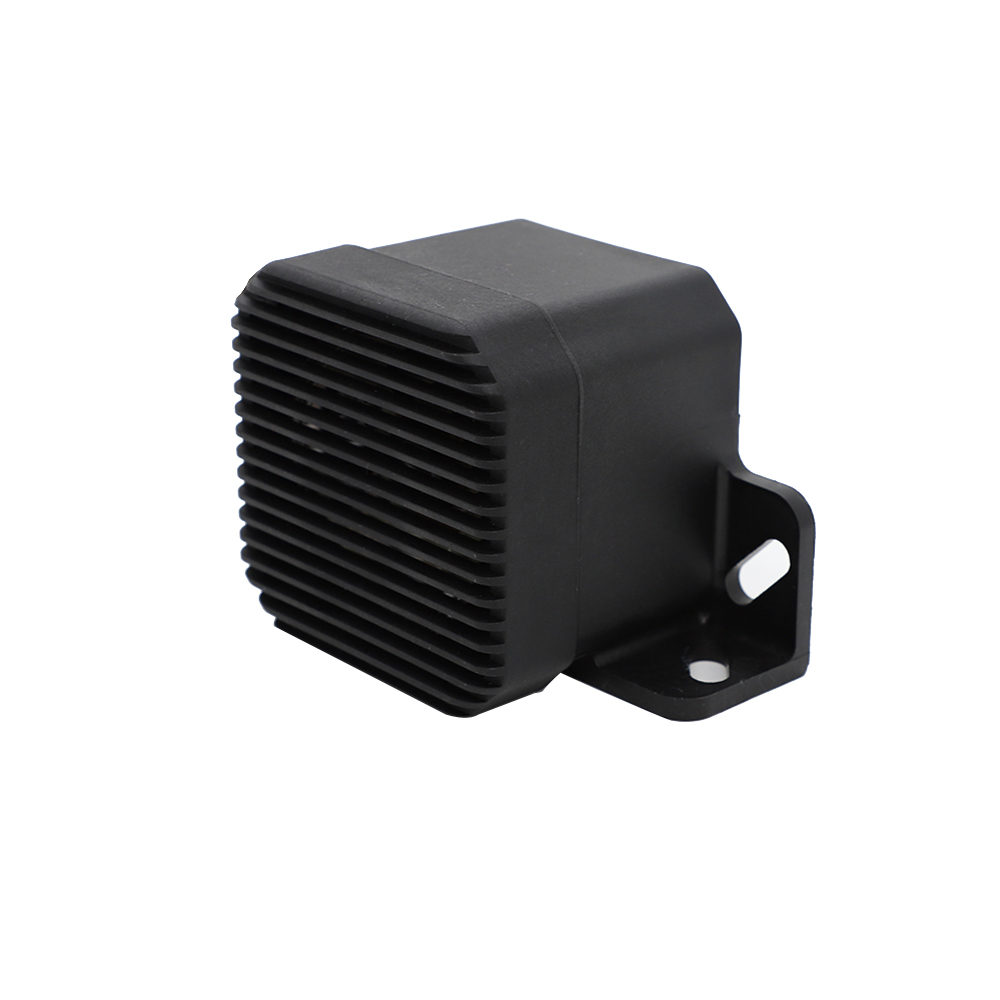
To clearly define what an audible alarm is, it can be summarized as an electronic or mechanical device that generates standardized acoustic warning sounds to notify people of abnormal situations and trigger corresponding safety actions. An audible alarm is activated by linked detection sensors, manual trigger switches, or automatic control systems, and it emits preset sound signals to distinguish normal operating conditions from emergency scenarios. The basic working principle of an audible alarm follows a simple and stable operational logic. First, the supporting monitoring system collects real-time environmental or equipment data, including temperature changes, smoke concentration, pressure fluctuations, unauthorized access, and equipment operational failures. Once the detected data exceeds the preset safe threshold, the control module immediately transmits an activation signal to the audible alarm. After receiving the signal, the audible alarm’s internal power drive unit and sound generation component start to work continuously, producing high-decibel, regular sound waves until the system is manually reset or the abnormal condition is eliminated.
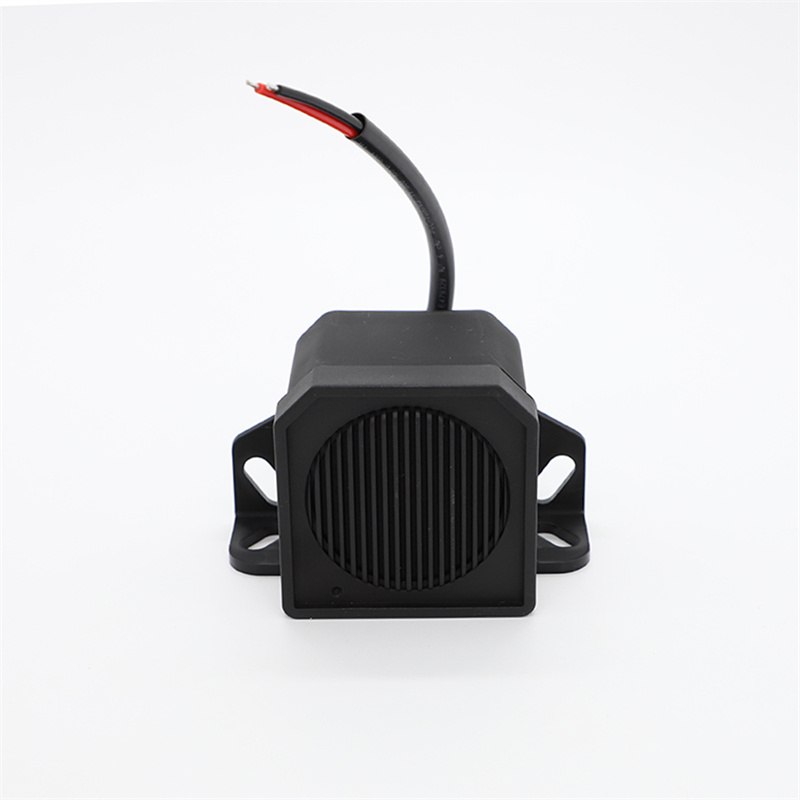
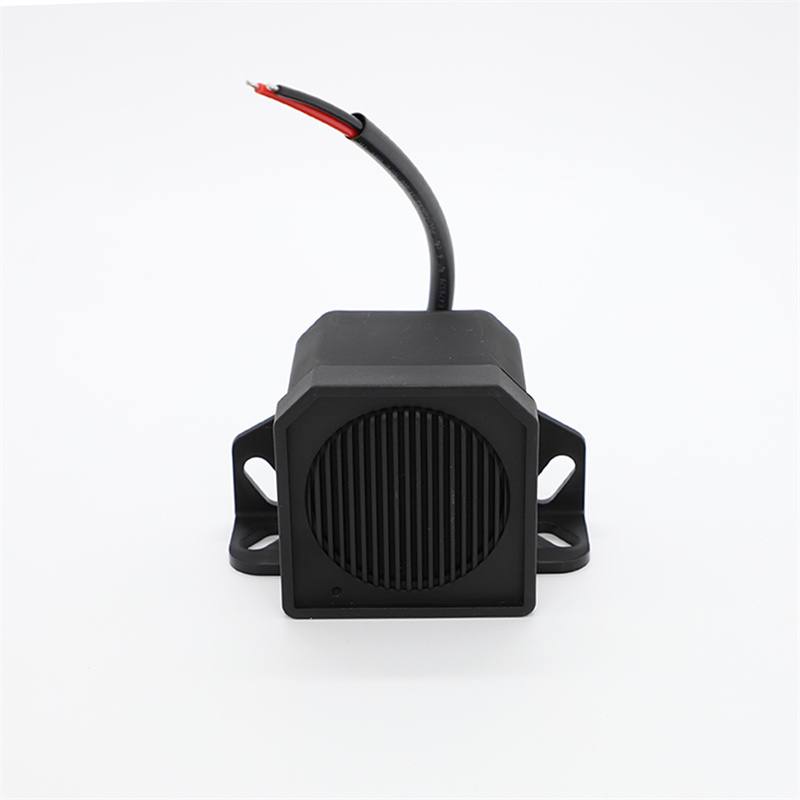
The internal structure of an audible alarm usually includes a power supply module, signal receiving circuit, sound generator, and sound amplification device. Each component ensures the stable and continuous operation of the audible alarm in various working environments. The sound produced by an audible alarm is deliberately designed to be non-rhythmic or regularly intermittent, which effectively avoids being confused with daily environmental sounds and can quickly arouse human alertness. Different from ordinary speakers or music players, an audible alarm prioritizes sound penetration and recognition over sound quality, which is why an audible alarm can maintain clear warning effects even in noisy factory workshops, bustling public buildings, and open outdoor spaces. Additionally, most modern audible alarm devices support sound volume adjustment and sound pattern switching, enabling the audible alarm to adapt to different application scenarios and meet diversified safety warning requirements.
Common Types of Audible Alarm
Based on sound characteristics, structural design, and application scenarios, an audible alarm can be divided into multiple categories, each with unique functional attributes and applicable environments. Classified by sound volume and intensity, a low-decibel audible alarm is mainly used in indoor quiet environments such as office buildings, residential buildings, and hospital wards. This type of audible alarm produces mild but distinct sounds to avoid causing excessive panic while completing basic warning tasks. A medium-decibel audible alarm is the most widely used type, suitable for shopping malls, schools, office buildings, and ordinary commercial facilities, balancing warning effectiveness and environmental comfort. A high-decibel audible alarm is customized for high-noise industrial environments, construction sites, and large logistics warehouses, where the powerful sound output of the audible alarm can completely cover mechanical noise and ensure personnel capture warning information in a timely manner.
Classified by working mode, there are continuous sound and intermittent sound audible alarm devices. A continuous audible alarm emits a steady, long-lasting sound after activation, which is mostly used for severe emergencies such as fires and gas leaks to remind people of immediate evacuation. An intermittent audible alarm sends out rhythmic beeping sounds, usually applied for early fault reminders, equipment standby abnormalities, and minor safety hazards, distinguishing major emergencies from minor abnormal situations. In addition, intelligent audible alarm devices have become increasingly popular in recent years. This type of audible alarm can connect with intelligent monitoring systems, adjust sound modes automatically according to hazard levels, and even work synchronously with visual alarm lights to form a dual-warning system, greatly improving the overall warning efficiency of the audible alarm.
Primary Application Scenarios of Audible Alarm
An audible alarm penetrates almost all fields related to public safety, industrial production, and daily life, becoming an indispensable core component of safety guarantee systems. In fire safety systems, an audible alarm is a standard matching device. When smoke detectors or temperature sensors detect fire signs, the audible alarm is activated instantly to warn all personnel in the building to evacuate quickly, effectively reducing casualty and property loss risks caused by delayed evacuation. In residential communities and commercial buildings, an audible alarm is also matched with anti-theft monitoring systems; when unauthorized entry or abnormal intrusion is detected, the audible alarm will sound to deter intruders and remind property management personnel to handle the situation in a timely manner.
In industrial production fields such as factories, power plants, and chemical plants, an audible alarm undertakes more critical monitoring and warning tasks. Industrial equipment often has strict safe operating parameter ranges, and once parameters such as pressure, temperature, and current exceed standards, the system will trigger an audible alarm to remind operators to stop equipment operation and troubleshoot faults, avoiding equipment damage, production shutdowns, and even industrial safety accidents. In transportation infrastructure including subway stations, railway stations, and airports, an audible alarm is used for emergency crowd evacuation, equipment fault reminders, and abnormal weather warnings, maintaining the safe and orderly operation of public transportation.
Moreover, an audible alarm is also widely used in medical institutions, laboratory environments, and smart home systems. In hospitals, an audible alarm can remind medical staff of patient monitoring abnormalities and equipment failures; in laboratories, the audible alarm warns of gas leakage and temperature anomalies; in smart homes, the audible alarm provides anti-theft warnings and fire hazard reminders for family safety. In all these scenarios, the core role of the audible alarm remains consistent: to transmit emergency information efficiently and intuitively through sound, ensuring safety risks are discovered and resolved at the earliest stage.
Key Advantages of Audible Alarm in Safety Systems
The widespread popularity of an audible alarm in global safety systems stems from its unique and irreplaceable functional advantages compared with other warning devices. First, an audible alarm has ultra-high environmental adaptability. Unlike visual alarms that are limited by light conditions and shielding obstacles, the sound signal of an audible alarm can spread omnidirectionally, penetrating walls, equipment barriers, and crowded crowds, and can work normally in dark, foggy, smoky, and low-visibility environments. Whether in bright daylight or dark night, the warning effect of an audible alarm will not be greatly reduced, ensuring all-weather safety monitoring capabilities.
Second, an audible alarm has extremely high response speed and stability. Most audible alarm devices adopt simple electronic control structures, with low failure rates and fast activation responses. Once an emergency signal is received, the audible alarm can start working within milliseconds, realizing zero-delay warning. Meanwhile, the maintenance cost of an audible alarm is low, and the device has a long service life, which is suitable for long-term continuous operation in various harsh environments. Third, the warning recognition degree of an audible alarm is extremely high. The special sound frequency and rhythm of an audible alarm are different from daily environmental noises, and people can form instinctive alert reactions to the sound of an audible alarm after long-term social cognition, which can quickly trigger emergency response behaviors without additional training.
In addition, an audible alarm has strong compatibility and scalability. It can be perfectly matched with various detection sensors, intelligent control systems, and linkage devices, forming a complete closed-loop safety warning system. The volume and sound mode of an audible alarm can be adjusted according to scene requirements, making the device flexible and adaptable to simple family safety monitoring and complex industrial safety management. These comprehensive advantages make an audible alarm the most basic and core warning device in modern safety systems, and no other single warning device can replace the overall role of an audible alarm.
Conclusion
In summary, an audible alarm is a core acoustic warning device that plays an irreplaceable role in all safety-related scenarios. An audible alarm relies on unique sound transmission characteristics, stable working performance, and wide environmental adaptability to provide timely and effective emergency warnings for residential, commercial, industrial, and public infrastructure fields. From basic safety protection in daily life to high-precision risk monitoring in industrial production, an audible alarm always acts as a key barrier to ensure personal safety and property security. The simple and reliable working principle, diverse types, and flexible application modes further consolidate the important position of an audible alarm in modern safety systems. With the continuous development of intelligent safety technology, an audible alarm is also constantly upgrading toward intelligence, high efficiency, and multi-functionality, and the optimized audible alarm will provide more accurate, stable, and comprehensive safety warning services for various scenarios in the future. It is undeniable that a qualified audible alarm is an essential component of every complete safety monitoring system, and the popularization and application of an audible alarm are crucial guarantees for reducing safety accident risks and improving public safety management levels.
FAQs about Audible Alarm
Q1: What is the core function of an audible alarm in daily safety systems?
A1: The core function of an audible alarm is to emit distinct acoustic warning sounds to alert people of emergencies or equipment faults. An audible alarm delivers omnidirectional sound reminders to ensure timely emergency response and risk avoidance in various environments.
Q2: What environments are most suitable for installing an audible alarm?
A2: An audible alarm adapts to residential buildings, commercial malls, industrial factories, and public transport hubs. The adjustable volume and stable performance of an audible alarm make it effective in both quiet and noisy working environments.
Q3: What is the difference between an audible alarm and a visual alarm?
A3: An audible alarm uses sound for omnidirectional warnings without light and sight limitations, while visual alarms rely on light signals. An audible alarm performs better in blocked, dark, or crowded complex safety scenarios.
Q4: Can an audible alarm work with intelligent safety monitoring systems?
A4: Yes, most modern audible alarm devices support intelligent system linkage. An audible alarm can automatically adjust sound modes based on hazard levels and synchronize with sensors to realize automatic emergency warning functions.
Q5: What factors affect the warning effect of an audible alarm?
A5: Environmental noise, installation height, and sound volume setting are key factors. A properly installed audible alarm can penetrate ambient noise and maintain clear, effective warning signals for on-site personnel.





View More(Total0)Comment lists